


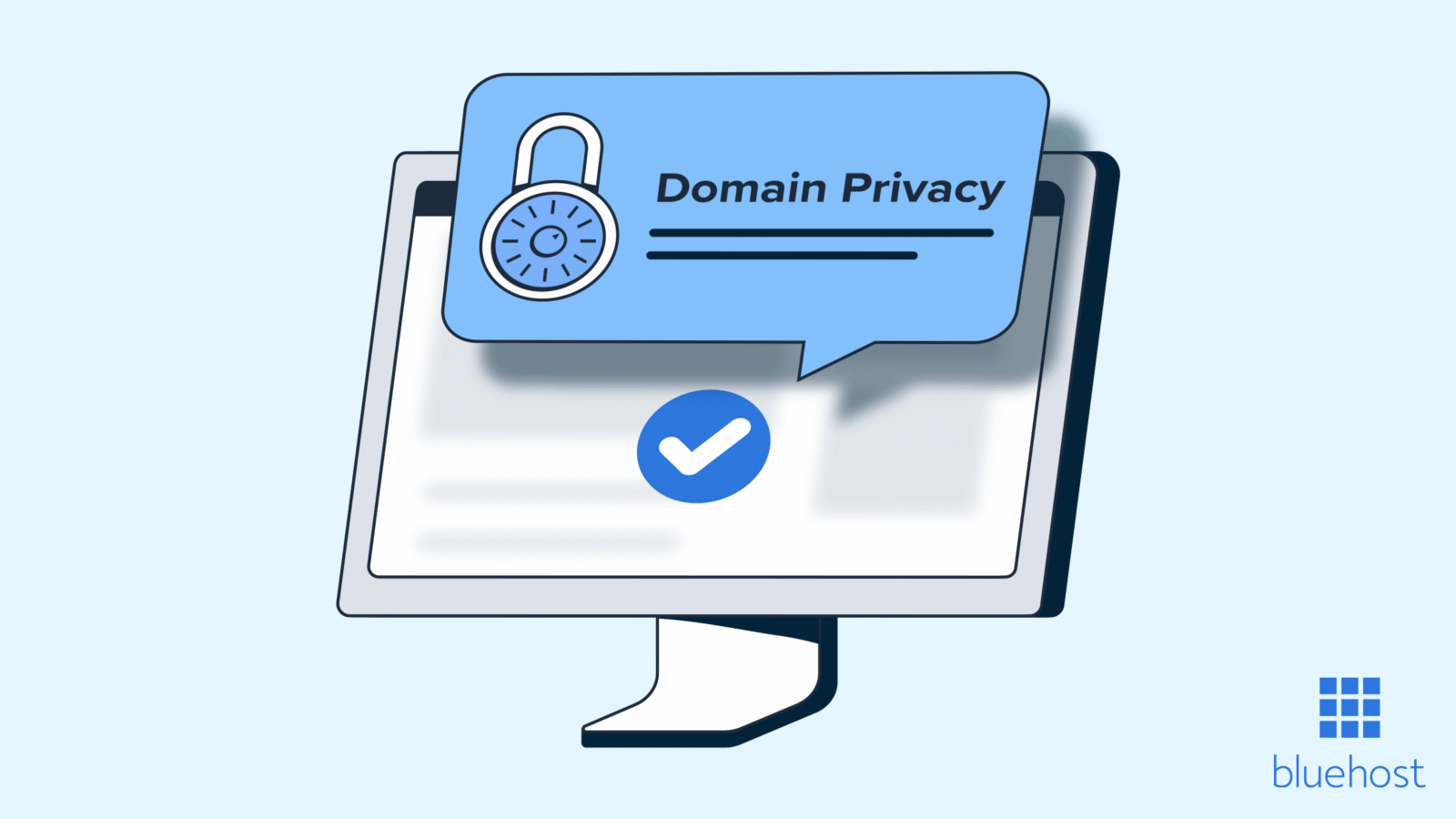
You’ve just secured your perfect domain name—congratulations! But have you thought about what happens next?
Every time someone looks up your website’s ownership details, your personal information is right there for the world to see. That’s where domain privacy protection comes in. It’s a simple service that keeps your name, address, phone number, and email hidden from public view.
Without it, you risk spam, identity theft, and even unwanted legal troubles. Curious to know how domain privacy works, why it’s so important, and whether it’s worth the cost? Keep reading, because protecting your online identity is easier than you think—and it could save you a lot of headaches down the road.
Credit: www.namecheap.com
What Domain Privacy Means
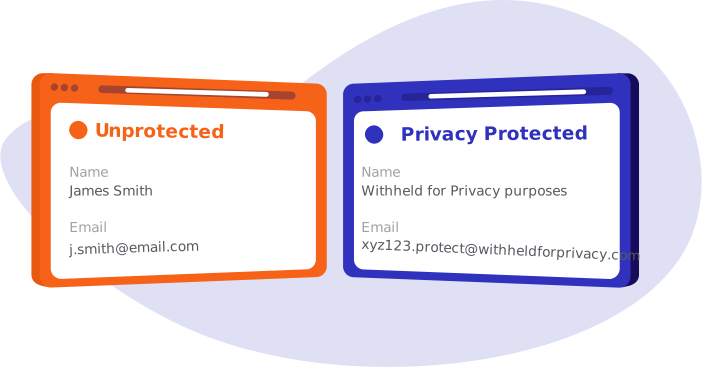
The WHOIS database is a public directory showing who owns a domain name. It lists personal information such as name, address, phone number, and email. Anyone can search this database and see these details, which may lead to spam, identity theft, or unwanted contact.
Privacy services work by replacing your real information with proxy or anonymous data. This data hides your identity and keeps your personal details safe. Instead of your name and address, the WHOIS shows the privacy service’s contact information.
This masking keeps your info hidden from public view. It helps stop spammers, hackers, and scammers from using your personal data. Your privacy stays protected while your domain remains fully functional and reachable through the proxy contacts.

Credit: www.bluehost.com
Risks Of Public Domain Info
Spam and unwanted calls often flood public domain listings. Scammers and marketers use your visible contact info to send ads and sales calls. This can be very annoying and hard to stop.
Identity theft and phishing happen when thieves see your personal details. They may try to steal your identity or trick you into giving away passwords or money. Public info makes it easier for them.
Domain hijacking threats rise when your ownership info is public. Hackers can pretend to be you and steal your domain name. This can cause loss of your website or brand control.
How Domain Privacy Works
Proxy Contact Details replace your personal info in the WHOIS database. This keeps your name, address, phone number, and email hidden from the public. Instead, the domain shows a proxy address to protect your privacy.
Data Forwarding Services help by sending important messages to you without revealing your real contact details. This way, you receive emails or notices while staying anonymous online. It blocks spam and unwanted calls.
ICANN Requirements mean your domain must have contact info on record. Without privacy protection, your details are open for anyone to see. Using proxy contacts meets these rules but keeps your info safe and private.
Credit: www.kualo.com
Choosing A Privacy Provider
Popular registrars like Namecheap, Cloudflare, and GoDaddy offer domain privacy services. Namecheap and Cloudflare usually provide free privacy protection with domain registration. GoDaddy often charges an annual fee or includes privacy in premium packages.
Free privacy options cover basic masking of your personal contact details. Paid options often include extra security features, such as protection against domain hijacking or phishing. These added features help keep your domain safer from attacks.
| Registrar | Privacy Type | Bundled Security | Cost |
|---|---|---|---|
| Namecheap | Free Domain Privacy | Basic protection | Included |
| Cloudflare | Free Domain Privacy | Basic protection | Included |
| GoDaddy | Paid Privacy | Advanced security features | Annual Fee |
Limitations Of Domain Privacy
Domain privacy protection does not guarantee full anonymity. Legal authorities can still access your real data if needed. Courts or government agencies may request this information for investigations or disputes.
Keeping your information updated is crucial. Outdated contact details can cause domain suspension or loss. Registrars often send renewal notices to the email on file. If you miss these, your domain might expire.
| Limitation | Description |
|---|---|
| Legal and Regulatory Access | Authorities can request your true identity despite privacy protection. |
| No Complete Anonymity | Your data is hidden from public view but not from official requests. |
| Keeping Your Info Updated | Incorrect info may lead to domain suspension or loss. |
Extra Tips To Secure Your Domain
Domain locking stops others from transferring your domain without permission. It adds a strong layer of protection against theft. Always enable domain locking in your domain settings.
Use strong passwords for your domain registrar account. Mix letters, numbers, and symbols. Avoid simple words or birthdays. Change passwords regularly to keep your account safe.
Monitor domain activity to catch suspicious actions early. Check your registrar account often for unexpected changes. Set up alerts if possible. Quick action can prevent loss or misuse.
How Our Company Can Help You with Domain Privacy Protection
Connecting Domain Privacy Protection with Practical Learning
Understanding how domain privacy works and its limitations opens the door to practical learning opportunities that can deepen your website security knowledge. For example, exploring the risks of public domain information encourages you to research real-world cases of spam or domain hijacking, reinforcing why privacy matters.
Additionally, choosing a privacy provider isn’t just a checkbox—it invites you to compare services, evaluate security features, and understand the nuances of proxy data versus full privacy. This kind of hands-on analysis aligns well with HostingAdvise’s mission to empower readers with balanced, evidence-based insights drawn from official documentation and user feedback.
- Review WHOIS databases to see how your information appears publicly
- Experiment with different privacy settings offered by registrars
- Follow updates on domain security standards and best practices
For more detailed guidance or questions, reaching out to domain experts or consulting reliable resources can provide tailored advice suited to your needs. This approach helps beginners and businesses alike gain confidence in safeguarding their online identity effectively.
Frequently Asked Questions
What Is Domain Privacy Protection And Do I Need It?
Domain privacy protection hides your personal contact details from the public WHOIS database. It prevents spam, identity theft, and unwanted solicitations. You need it to safeguard your privacy and reduce security risks associated with exposing your information online.
Is Godaddy Full Domain Privacy And Protection Worth It?
GoDaddy’s full domain privacy and protection shields your personal info from public WHOIS exposure. It prevents spam, identity theft, and unauthorized domain transfers. While it costs extra, it adds valuable security and peace of mind, making it worth considering for serious domain owners.
Is It Worth It To Get Domain Protection?
Domain protection safeguards your personal info from public exposure and prevents domain theft or unauthorized transfers. It enhances website security and reduces spam risks. Many registrars offer it free or for a small fee, making it a valuable investment to protect your online identity and brand.
What Does Full Domain Privacy And Protection Mean?
Full domain privacy and protection hide your personal contact details from the public WHOIS database. It prevents spam, identity theft, and unauthorized domain transfers by displaying proxy information instead of your real data. This service safeguards your online identity and enhances domain security.
Conclusion
Protecting your personal information online is vital for safety. Domain privacy stops strangers from seeing your contact details. This reduces spam, scams, and identity theft risks. Many registrars offer this service, sometimes for free. Keep in mind, privacy isn’t total anonymity.
You must still provide accurate data to your registrar. Choosing domain privacy adds a layer of security to your website. It helps keep your online identity safe and secure. Consider it a simple but effective step for online protection.








Leave a comment