



When building or expanding your website, one big question you’ll face is whether to use a subdomain or a subdirectory. This choice isn’t just about how your URLs look—it can directly impact your SEO and how easily your site ranks on Google.
You want your content to shine, attract visitors, and climb search results fast. But which option gives you the best shot at that? Should you host your blog on blog. yourwebsite. com or yourwebsite. com/blog? Understanding the subtle yet powerful SEO differences between subdomains and subdirectories is key.


You’ll discover how each structure affects your site’s authority, ranking potential, and user experience—helping you make the smartest decision for your unique goals. Keep reading, because your website’s success depends on it.

Credit: blog.cloudflare.com
Subdomain Basics
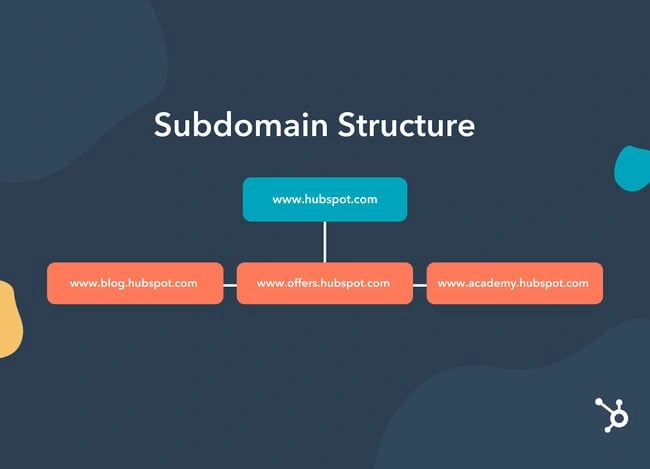
A subdomain is a prefix added before your main domain name. It creates a separate section like blog.example.com. Search engines often see subdomains as different websites. This means they do not automatically share the main site’s SEO strength. Each subdomain needs to build its own authority and backlinks.
Subdomains are commonly used for blogs, stores, or support pages. This helps keep content organized and separate from the main site. It also allows different teams or purposes to manage each subdomain independently.
Subdirectory Basics
A subdirectory is a folder within a main website’s domain. It looks like example.com/folder. Search engines see subdirectories as part of the main site. This means that all pages inside share the site’s authority and ranking power.
Subdirectories are often used for organizing content like blogs, product pages, or help centers. They help keep related topics together under one domain. This structure makes it easier for users and search engines to navigate the site.
From an SEO viewpoint, subdirectories help new content rank faster. They benefit from the existing domain’s trust and link equity. This can improve visibility without needing to build authority from zero.
Seo Impact Comparison
Authority and Link Equity differ between subdomains and subdirectories. Subdirectories share link equity with the main domain, boosting overall site authority. Subdomains, treated as separate sites, do not automatically inherit authority. Each subdomain must build its SEO strength independently. This often means slower ranking progress for subdomains.
Crawl Efficiency and Indexing is generally better with subdirectories. Search engines crawl subdirectories as part of the main site, making indexing more straightforward. Subdomains might require extra crawl budget and can be indexed separately, which may delay discovery. This can affect how quickly new content appears in search results.
Ranking Potential Differences show subdirectories tend to rank faster due to shared domain authority. Subdomains can rank well but need focused SEO efforts. Subdirectories are ideal for related content that supports the main site. Subdomains work better for distinct, unrelated sections or different target audiences.

Credit: gracethemes.com
When To Use Subdomains
Subdomains work well to separate brands or product lines. Each can have its own style and focus. This helps keep different offerings clear and distinct.
International or language targeting benefits from subdomains. For example, fr.example.com for French and es.example.com for Spanish. This setup helps search engines show the right version to users.
Technical or hosting reasons sometimes require subdomains. Different servers or platforms can manage parts of a website separately. This can improve performance or security.
When To Use Subdirectories
Subdirectories help keep all your site’s SEO power in one place. They let your new pages benefit from your main site’s authority. This makes it easier to rank faster in search results.
Use subdirectories for blogs and resource centers. These sections stay part of your main domain. They share the same SEO strength, which helps your whole site grow stronger.
Product catalogs and services fit well in subdirectories too. They keep your offerings close to your main brand. This way, your keywords and SEO value build together.
Migration Considerations
Moving from subdomain to subdirectory often helps improve SEO by consolidating authority under one domain. This move can boost rankings faster since all content shares the same domain history. Careful planning is needed to avoid losing traffic during migration.
Moving from subdirectory to subdomain means creating a new site section that search engines treat separately. This can dilute SEO power because backlinks and authority do not transfer automatically. It requires building SEO strength from the ground up.
Handling redirects and SEO risks is critical during migration. Use 301 redirects to send visitors and search engines to the new URLs. Test redirects thoroughly to ensure no broken links remain. Slow or improper redirects can cause ranking drops and loss of traffic.
Best Practices For Optimization
Consistent internal linking helps search engines find all your pages. Use the same style of links across your website. Link related pages clearly. This builds stronger site structure and helps users navigate easily.
URL structure tips include keeping URLs short and descriptive. Use words that show what the page is about. Avoid long strings of numbers or symbols. Choose subdomains for separate topics. Use subdirectories for content closely tied to the main site.
Monitoring performance and analytics is key to SEO success. Track how your subdomains and subdirectories perform. Check which pages get more visits and which need improvement. Use tools like Google Analytics to get clear data. Adjust your strategy based on the results.
Credit: blog.hubspot.com
Case Studies And Examples
Successful subdomain implementations often separate content types clearly. For example, a blog or support site on a subdomain can target different audiences without affecting the main site’s SEO. Companies like Google use subdomains effectively for services such as mail.google.com and maps.google.com, keeping content organized and distinct.
Effective use of subdirectories helps websites share SEO strength. Content under example.com/blog or example.com/shop benefits from the main domain’s authority. Many e-commerce and news websites prefer subdirectories to build authority quickly and rank faster.
Lessons from SEO failures reveal that poor subdomain use can split SEO power. Sites that treat subdomains as separate often face slower ranking growth. Subdirectories can avoid this by consolidating all SEO signals under one domain, making it easier to manage and improve rankings.
Tools And Resources
SEO audit tools help check your website’s health and find problems. Popular tools include Google Search Console, Ahrefs, and SEMrush. They show how well your site ranks and suggest fixes.
Technical SEO guides explain how to improve site speed, fix errors, and set up structured data. These guides are helpful for beginners and experts alike. Websites like Moz and Yoast offer clear, step-by-step advice.
Further reading includes articles on subdomains vs subdirectories, link building, and keyword strategy. Blogs from Search Engine Journal and Backlinko provide updated SEO trends and tips. These resources keep your knowledge fresh and useful.
How Our Company Can Help You with Subdomain Vs Subdirectory Seo
Practical Insights on Subdomain Vs Subdirectory SEO
Understanding when to use a subdomain versus a subdirectory goes beyond theory—it’s essential to apply this knowledge practically to optimize your website’s SEO performance. Reflecting on the SEO impact comparison and migration considerations discussed earlier, it’s clear that subdirectories typically benefit from inheriting the main domain’s authority, making them a strong choice for closely related content.
However, if your site hosts distinctly different content or services, subdomains can help organize these effectively without diluting SEO focus. When making decisions, incorporating best practices for optimization, such as clear site structure and consistent content quality, aligns with the principles of E-E-A-T (Experience, Expertise, Authoritativeness, and Trustworthiness) and AEO (Answer Engine Optimization) that HostingAdvise emphasizes.
- Review your site’s goals and content relationship carefully.
- Consider SEO impact comparison to choose the right structure.
- Plan migration carefully to preserve existing SEO value.
If you have questions or need tailored advice, reaching out to knowledgeable web hosting and SEO communities or consulting resources at HostingAdvise can provide valuable guidance without any pressure—just helpful support as you refine your website’s structure.
Frequently Asked Questions
When To Use Subdomain Vs Subdirectory?
Use subdirectories to boost SEO by sharing domain authority for related content. Choose subdomains for distinct sections needing separate SEO, like international sites or blogs.
Are Subdomains Bad For Seo?
Subdomains are not bad for SEO but act as separate sites, requiring separate authority building. Subdirectories share domain authority, often benefiting SEO more. Choose based on your site’s structure and goals.
What Is The Difference Between Subdomain And Subdirectory In Saas?
A subdomain creates a separate site section (e. g. , blog. example. com), treated independently by search engines. A subdirectory organizes content within the main domain (example. com/blog), sharing SEO authority and boosting overall site ranking.
What Is A Subdomain In Seo?
A subdomain is a prefix added before a main domain to create a separate website section. Search engines treat it as a different site. Subdomains help organize content but require separate SEO efforts compared to subdirectories, which share domain authority with the main site.
Conclusion
Choosing between a subdomain and a subdirectory affects your website’s SEO. Subdirectories help your content benefit from your main site’s authority. Subdomains require extra effort to build their own SEO strength. Use subdirectories for blogs or product pages to grow your domain’s power.
Reserve subdomains for distinct sections or separate businesses. Careful planning improves your site’s ranking and user experience. Think about your goals and website structure before deciding. This helps search engines understand and rank your content better.













Leave a comment