


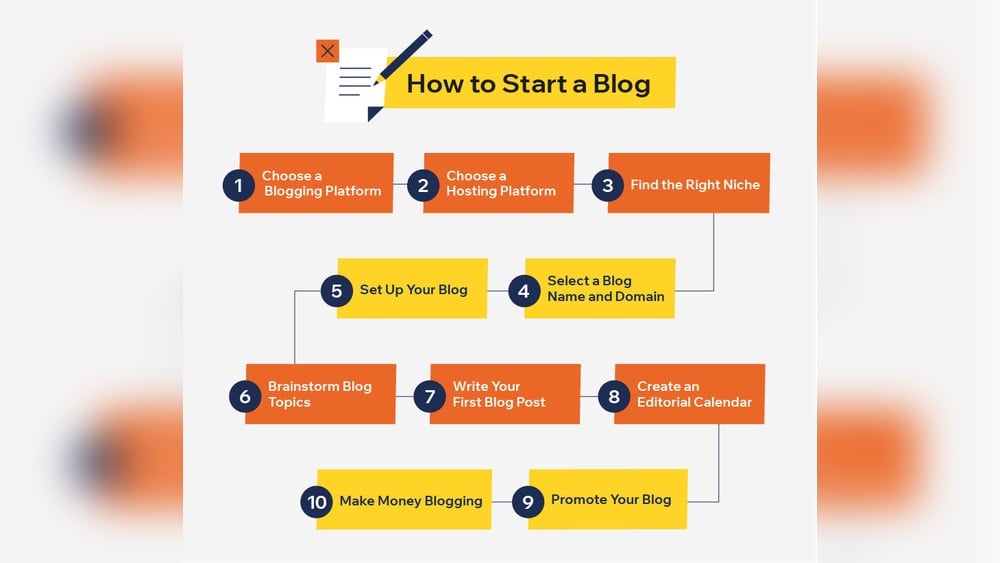

You’ve got ideas, stories, or knowledge that deserve to be shared. Starting a blog might seem tricky, but it doesn’t have to be.
With just a few simple steps, you can set up your own space online and begin connecting with readers who care about what you have to say. Ready to make your voice heard and build something you’re proud of? Let’s break down the process so you can start your blog quickly and easily.


Start Your Blog Fast With Top Website Builders
Getting your blog up and running swiftly is easier than ever thanks to a variety of user-friendly website builders. These platforms simplify the process, offering tools tailored to different needs, whether you prioritize ease of use, affordability, or eye-catching designs. Here’s a quick overview of some leading website builders that can help you launch your blog without delay.
| Platform | Rating | Ideal For | Reviews & Links |
|---|---|---|---|
| Wix | 4.7 | Ease of Use | Wix Review |
| Bluehost | 4.3 | Value for Money | Bluehost Review |
| Weebly | 4.4 | Customizable Templates | Weebly Review |
Takeaways
Grasping the key points from your blogging journey can streamline your path to success. These essential tips will help you build a strong foundation, attract readers, and keep them coming back for more.
- Choosing a unique domain name helps craft your blog’s identity and boosts recognition within your niche audience.
- Using well-organized categories and descriptive tags makes it easier for visitors to navigate your site and discover content that interests them.
- Optimizing your blog for search engines remains one of the most effective ways to attract organic, cost-free visitors.
- Engaging actively with your audience early on fosters community growth and nurtures a dedicated group of followers.
- Consistently delivering high-quality, relevant content encourages readers to return regularly and recommend your blog to others.
Step 1: Pick A Good Blogging Platform
Choosing the right blogging platform is crucial as your first step to launching a blog swiftly and efficiently. A blogging platform, also known as a Content Management System (CMS), empowers you to create, design, and publish posts with ease. With numerous platforms available—ranging from free to premium options—consider your personal goals, budget constraints, and technical skills before making a decision.
Below are some beginner-friendly blogging platforms that can help you get your blog off the ground.
1. WordPress.org – Ideal For Customization And Control
WordPress remains the top choice for bloggers worldwide due to its versatility and extensive customization capabilities. As an open-source CMS, WordPress.org offers complete freedom to tailor your blog to your specific needs. Statistics from Colorlib reveal that WordPress powers over 60% of all CMS-based websites globally, making it the most widely adopted platform.
You can start blogging on WordPress for free by creating an account at WordPress.com, which provides a hosted solution with limited customization. Alternatively, downloading the CMS software from WordPress.org allows you to set up your own self-hosted blog, granting full control over every aspect of your site. It’s important to understand the distinction: WordPress.org is the software itself, while WordPress.com offers hosting plus the CMS bundled together.
Main Features
– Access to thousands of free and premium plugins to enhance your blog’s functionality
– Extensive collection of themes available to customize your site’s appearance
– Full control over your website’s settings and design
– Intuitive Gutenberg block editor for building posts and pages
– Large, active community offering support and resources
– Easy-to-navigate WordPress dashboard
The WordPress software is free to use, but self-hosting requires purchasing a domain and web hosting separately.
- Strong community support with plentiful tutorials and forums
- Complete ownership and customization of your blog on a self-hosted setup
- Wide range of plugins and themes available to expand your blog’s capabilities
- Managing security and maintenance is your responsibility when self-hosted
Step 2: Select A Domain Name And Hosting Provider
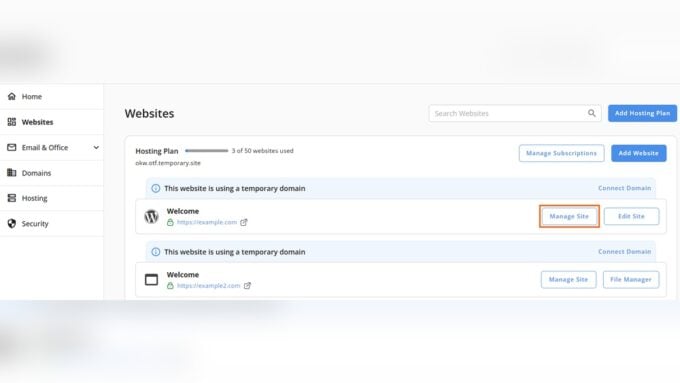
After deciding on the blogging platform for your new site, the following step involves picking a domain name along with a web hosting service. The domain name acts as your website’s unique online address, found right after “www” and commonly ending with “.com.” Other popular domain extensions include “.org,” “.net,” “.co,” and “.us.”
Certain blogging platforms bundle domain registration and hosting into one package, allowing you to manage everything in one place. Alternatively, you might choose to register your domain and host your site through separate, specialized providers. Selecting the right domain name and reliable hosting service plays a crucial role in your blog’s success for several reasons.
1. Building Your Brand
Securing a personalized domain name from a trustworthy hosting provider strengthens your brand identity. A memorable domain name helps your blog stand out and makes it simple for visitors to find and return to your site for content or products. This professional touch can set the foundation for your blog’s growth and recognition.
2. Establishing Trustworthiness
Blogs with custom domain names come across as more professional and credible. Whether blogging as a hobby or aiming for a full-time career, a unique domain signals commitment and reliability. Visitors and potential collaborators are more likely to take your blog seriously when it features a dedicated domain name that reflects your brand.
3. Enhancing Search Engine Visibility
Having a custom domain offers clear advantages for search engine optimization (SEO). It allows you to incorporate relevant keywords into your domain, which can improve your site’s ranking in search results. Moreover, a polished domain encourages others to share your content and link back to your blog, boosting your SEO through increased backlinks and traffic. Ultimately, a well-chosen domain name helps search engines recognize your blog as a trustworthy source.
Step 3: Set Up Your Blog
Setting up your blog properly lays the foundation for a smooth blogging experience and enhances user engagement. Before diving into publishing posts, it’s essential to configure key features that boost your blog’s usability, protect your information, and improve your visibility on search engines. The following are crucial settings to implement as you get started.
1. Permalinks
A permalink, short for “permanent link,” is the unique web address assigned to each post or page on your blog. It’s designed to stay consistent over time, making it easy for visitors to bookmark and share your content. Crafting clear, concise permalinks that directly reflect the content can also help with SEO and user experience.
Decide on your permalink format before publishing your initial post. WordPress offers several structures to choose from, accessible via the dashboard:
- Plain: Uses a numeric ID to identify posts, such as exampleblog.com/?p=45. This format is not user-friendly or SEO-optimized and is generally discouraged.
- Day and Name: Includes the publication date and post title, like exampleblog.com/2024/06/01/sample-post/. This can make URLs lengthy and may cause readers to overlook older content, even when it remains relevant.
- Month and Name: Similar to the previous option but shows only the month and year, for instance exampleblog.com/2024/06/sample-post/. It shares the same drawback regarding perceived content freshness.
- Post Name: Utilizes just the post’s title in the URL, resulting in clean and straightforward links such as exampleblog.com/sample-post/. This structure is ideal for readability and SEO, making it the preferred choice for most bloggers.
- Custom Structure: Allows you to personalize the URL format, often including categories or other taxonomies, for example exampleblog.com/technology/gadget-review/. This option offers flexibility to align URLs with your site’s organization.
2. Categories And Tags
Organizing your content into categories and tags helps visitors navigate your blog efficiently and improves search engine indexing. Categories serve as broad groupings for your posts, while tags are more specific keywords that describe details within the content.
Choose clear, descriptive categories that cover the main topics your blog will address. Avoid creating too many categories; instead, focus on a handful that represent your core themes. Tags should complement these by highlighting particular subjects or terms mentioned in each post.
Properly implemented categories and tags not only make your blog more user-friendly but also aid search engines in understanding your content’s structure, which can boost your ranking in search results.
Search Engine Optimization (seo)
Search Engine Optimization (SEO) plays a crucial role in driving organic traffic to your blog without the need for paid advertising. Applying effective SEO strategies from the outset can establish a steady stream of visitors, even with just your initial posts.
The SEO methods applied to traditional websites are equally effective for blogs, but the approach centers around a continuous flow of well-crafted, long-form content. This content should thoroughly address your audience’s interests and demonstrate to search engines the relevance of your blog for the keywords you aim to rank for.
Consider these valuable SEO practices to enhance your blog’s performance:
- Organize content with topic clusters: Topic clusters consist of multiple blog entries linked together around a core theme. A primary page, often called pillar content, covers the main topic broadly, while the cluster posts dive into specific aspects or related subtopics, creating a comprehensive resource.
- Enhance your posts with diverse media: Incorporating more than just text—such as visuals, charts, internal navigation links, and compelling call-to-action buttons—makes your content more engaging and easier to digest, improving the overall user experience and keeping readers interested.
- Improve your search listing appearance: The snippet shown in search results, including the title, meta description, and URL, greatly influences click-through rates. Optimizing these elements with relevant keywords and captivating phrasing can make your blog stand out and attract more visits.
- Utilize powerful SEO tools: Many content management systems offer plugins and tools designed to streamline SEO efforts. Examples include Yoast SEO, SEO-friendly WordPress themes, and Semrush’s SEO Writing Assistant, all of which help optimize your content for better search engine visibility.
Analytics
Understanding analytics is essential for monitoring how your blog performs and identifying areas for growth. These insights reveal valuable information about your audience and behavior on your site, guiding you to make informed decisions that boost your blog’s success. Some of the most important metrics to pay attention to as you launch your blog include:
- The number of visitors your site receives
- Origins of your website traffic
- Impressions, user clicks, and the click-through percentage
- The overall credibility and ranking of your site
- Levels of interaction and engagement from your readers
By analyzing this data, you can refine your content strategy, design targeted promotional efforts, and appeal to potential advertisers. A popular and cost-free tool for tracking these analytics is Google Analytics, which offers comprehensive reports to help you understand your blog’s performance in depth.
Backups
Maintaining regular backups is essential for safeguarding your blog’s data against unexpected losses. Whether it’s due to cyberattacks, software glitches, or accidental deletions, having a reliable backup strategy ensures your content remains intact and recoverable. Opt for hosting services that offer automated daily backups and straightforward restoration processes to minimize downtime and stress. Consistent backups serve as a safety net, protecting your site from mistakes, malware infections, and technical failures alike.

Credit: www.wix.com
Customize Your Blog
Personalizing your blog is essential to stand out and reflect your unique voice. Tailoring the design and features ensures visitors recognize your site instantly and feel engaged. Here are some practical ways to make your blog truly your own.
Starting with a pre-made theme or template is a great shortcut, but adjusting colors, fonts, and layouts will give your blog a distinct personality. Swap out generic images for your own photos or custom graphics that align with your content. Experiment with widget placement and navigation menus to create a user-friendly experience that guides readers effortlessly through your posts.
Don’t forget to incorporate your branding elements like a custom logo and consistent color schemes to build recognition. Adding personalized touches such as a welcome message or unique sidebar features can also enhance your blog’s appeal. These simple tweaks transform a basic template into an inviting space that truly represents you and connects with your audience.
Choose A Theme That Reflects Your Brand And Niche
Selecting a theme that aligns with your brand identity and blog topic plays a crucial role in crafting a memorable online presence. The design elements such as colors, fonts, and overall layout should complement the message and audience you want to engage. For example, a blog dedicated to travel adventures will feature a more vibrant and dynamic design compared to a blog centered on legal advice, which requires a cleaner, more professional look.
Platforms like WordPress offer a vast collection of themes tailored to various industries and styles, providing flexibility to find one that fits your blog’s purpose perfectly. On the other hand, platforms such as Medium or Blogger come with fewer customization choices. Blogger presents a limited selection of basic themes, while Medium maintains a uniform design across all blogs, which might restrict your ability to personalize the visual appeal of your site.
Credit: blog.hubspot.com
Customize Your Blog’s Design And Layout
Personalizing your blog’s appearance and structure is a crucial step in creating an inviting and user-friendly site. Tailoring the design and layout helps establish your brand’s identity while ensuring visitors have a seamless browsing experience.
Layout involves the positioning of various elements on your pages, such as sidebars, headers, and content sections. Depending on your goals, you might want to rearrange components or simplify the interface for clarity. The design aspect includes selecting a color scheme, adjusting spacing, choosing readable fonts, and sizing elements appropriately to maintain visual balance and appeal.
Using a drag-and-drop page builder simplifies this customization process, allowing you to modify your blog’s look without any coding knowledge. Most popular blogging platforms come equipped with these intuitive tools (with the exception of platforms like Medium). Exploring other blogs in your niche can provide valuable ideas for effective design and layout choices that resonate with your target audience.
Tips For Creating A User-friendly And Visually Appealing Blog
Designing a blog that is both easy to navigate and visually captivating plays a crucial role in keeping visitors engaged and encouraging them to interact with your content or take action. Below are some effective strategies to build a blog that appeals to users and enhances their experience:
- Keep It Clean and Simple: A straightforward layout helps readers find what they need without confusion. Aim for a homepage free of unnecessary clutter, featuring clear headlines, prominent buttons, and well-organized sections. Group your posts into logical categories and subcategories to streamline browsing. Incorporate a reliable search bar, which can be easily added through WordPress plugins, so visitors can quickly locate specific topics.
- Speak Their Language: Tailor your writing style to resonate with your target audience. Use terms, expressions, and cultural references that reflect their everyday communication. This approach not only boosts your credibility but also makes your content more relatable and engaging, encouraging readers to connect with your message.
- Engaging Visual Elements: Enrich your posts with relevant images, videos, GIFs, and infographics to break up text and illustrate key points. Ensure all visuals are high quality and serve a clear purpose in supporting your content, making it easier for visitors to grasp your ideas and stay interested.
Create Your First Blog Post
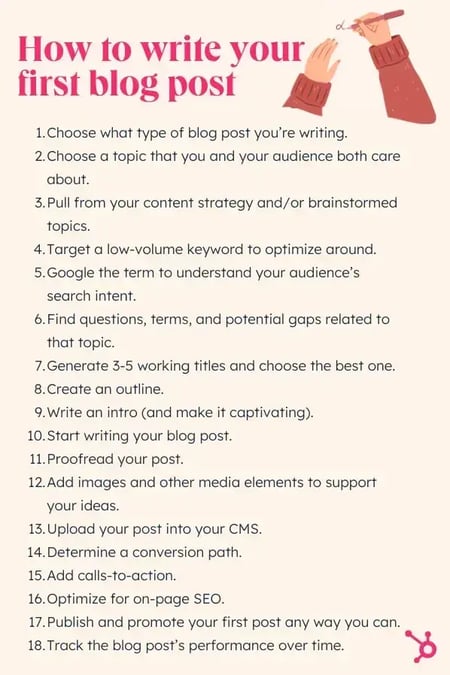
After setting up your blog with an attractive design and reliable features, it’s time to focus on crafting your very first blog entry. This guide will walk you through the essentials of writing and publishing your initial post to make a strong start.
Tips For Creating High-quality Blog Content
Crafting high-quality content is essential to engage readers and establish your blog as a trusted resource. Quality content varies depending on the niche, but its core purpose is to address the specific needs and interests of your target audience with clarity and relevance.
For example, a blog focused on fitness might offer detailed workout plans, nutrition advice, and tips on maintaining motivation. While this might not appeal to someone interested in technology, it provides immense value to fitness enthusiasts aiming to improve their health.
- Identify your target audience: Understanding exactly who your readers are is crucial. Select a niche that is focused enough to let you dive deep into relevant topics, yet broad enough to attract a steady flow of visitors without overwhelming competition. For instance, instead of covering all aspects of digital marketing, concentrating on content marketing for small businesses narrows your focus while still offering plenty of opportunities to draw traffic.
- Perform thorough research: Dig into what challenges or questions your audience faces. Discover their pain points and aspirations through forums, social media groups, or surveys. This investigation will spark blog post ideas that resonate and provide meaningful solutions.
- Deliver genuine value: Share actionable advice, insights, and practical tips that directly address your audience’s concerns. Demonstrating a clear understanding of their needs builds trust and encourages readers to return for your expert guidance.
- Use storytelling techniques: Stories captivate and make information easier to remember. Weave narratives into your posts by sharing real-life examples, personal experiences, or case studies related to your topic. This approach makes your content more relatable and engaging.
Structuring A Blog Post And Including Media
Crafting a well-organized blog post that incorporates engaging media is essential for capturing your audience’s attention and delivering your message effectively. Structuring your content thoughtfully not only enhances readability but also supports better user experience and search engine performance.
Start with a compelling and straightforward headline paired with a strong introduction that draws readers in immediately. Break your content into clear sections with descriptive subheadings to guide readers through your ideas seamlessly. Incorporate relevant images, infographics, or videos to complement your text, making the post visually appealing and easier to digest. These elements help reinforce your message and keep visitors engaged longer.
Once your post is well-structured and enriched with media, focus on optimizing it for search engines to increase its reach and attract more traffic. This approach ensures your blog is not only informative but also discoverable by a wider audience.
Optimize Your Blog Content For Better Search Engine Visibility
Enhancing your blog’s content to improve its search engine ranking is essential for attracting more readers and increasing your site’s visibility. By applying effective SEO strategies, your blog can appear higher in search results, driving organic traffic and expanding your audience.
Imagine your blog focuses on “top running shoes.” The aim is to have your page show up near the top of search engines when someone searches for “best running shoes.” Achieving this requires careful attention to SEO fundamentals.
- Keyword Integration: Incorporate relevant keywords naturally within your titles, headings, and throughout the main text. Avoid keyword stuffing, as excessive repetition can harm your rankings and reduce readability.
- Meta Tags Optimization: Craft compelling and precise meta titles and descriptions that accurately reflect your content. These tags don’t appear directly on your page but show up in search results, influencing click-through rates. Including primary keywords in these tags enhances their effectiveness.
- Link Building: Include links to reputable external sites (outbound links) as well as connections to your own related articles (internal links). This practice helps search engines better understand your content’s context and can improve your overall SEO performance.
Credit: writingexplained.org
Promote Your Blog
Getting your blog noticed is the next crucial step after crafting quality, SEO-friendly posts. This part focuses on effective strategies to boost your blog’s visibility, attract a steady stream of visitors, cultivate a dedicated audience, and generate income from your efforts.
Different Ways To Promote A New Blog
Getting your new blog noticed involves a variety of strategies that help attract and engage readers. Combining multiple promotional tactics can amplify your reach and drive consistent traffic to your site.
- Leveraging social media platforms: Share your blog posts across your social channels to reach a broader audience. Embedding share buttons on your blog encourages visitors to spread your content within their networks. Collaborating with social media personalities or investing in targeted paid ads can also boost visibility, though these options may require a budget.
- Building and nurturing an email list: Gather subscribers by offering valuable freebies like downloadable guides, exclusive content, or membership perks. Regularly send newsletters that highlight your latest blog updates, keeping your audience engaged and returning for more.
- Contributing guest posts: Writing articles for other blogs related to your niche introduces your expertise to new readers. Make sure to include links back to your own blog to guide interested visitors directly to your site.
Tips For Building A Following And Engaging With Readers
Growing a dedicated audience and fostering meaningful interactions are essential for a successful blog. Establishing strong connections with readers not only encourages repeat visits but also helps spread your blog’s reach organically. Below are effective strategies to cultivate and maintain an engaged community around your content.
- Deliver consistent value: Readers return to blogs that offer insightful, useful, and interesting information. Aim to publish fresh content regularly, ideally between two and four posts per month, to keep your audience coming back for more.
- Engage with your audience: Take time to reply thoughtfully to comments on your blog and social media platforms where your posts appear. Show appreciation for positive feedback, thoughtfully consider alternative viewpoints, and respond politely to criticism. Maintaining a respectful tone encourages ongoing dialogue without escalating conflicts.
- Share your blog with purpose: Confidently introduce your blog to friends, family, and online communities that align with your content’s theme. Choose appropriate moments to promote your work, avoiding unrelated or professional settings where it might seem out of place.
Strategies For Monetizing A Blog
Turning a blog into a source of income involves implementing effective monetization techniques. Exploring various avenues can help maximize your earning potential while aligning with your content and audience. Below are several proven methods to generate revenue from your blog.
- Advertising Networks
Joining advertising platforms such as Google AdSense or Ezoic allows you to place ads on your blog pages. Earnings come from ad impressions or clicks by your visitors.
- Generates passive revenue without much effort
- Simple to set up and maintain
- Ads might disrupt the visual flow of your site
- Affiliate Partnerships
Promoting products or services from other businesses within your posts can earn you commissions when readers make purchases through your referral links.
- Tends to offer higher payout rates than typical ad networks
- Creates a passive income stream once set up
- Requires active promotion and honest product reviews
- Creating Online Courses
Establishing yourself as an expert in your niche enables you to design and sell educational courses. These can be developed independently or with professional assistance.
- Complete authority over course pricing and content
- Enhances your personal brand and credibility
- Requires significant time and resources to produce quality material
- Subscription-Based Access
Offering exclusive articles or resources behind a paywall encourages readers to subscribe monthly or pay a one-time fee for premium content.
- Provides a stable and foreseeable income
- Gives you control over subscription pricing
- Content must be exceptional to justify paid access amid abundant free information
- Sponsored Content
Publishing posts that highlight a company’s product or service can earn you payment either for the placement or for creating the promotional material.
- Direct revenue from brands interested in your audience
- Opportunity to build partnerships with relevant companies
- Maintaining authenticity is crucial to avoid alienating readers
Conclusion
Wrapping up your blogging journey begins with a few essential elements: selecting the right blogging platform, securing a memorable domain name, and choosing reliable web hosting. Defining your ideal readership and crafting valuable content tailored to their interests lays the foundation for a successful blog. From there, you can focus on promoting your site and exploring monetization opportunities. Explore our top recommendations for website builders and hosting services to ensure a smooth and efficient start to your blogging adventure.
Frequently Asked Questions
What Is The First Step To Start A Blog?
The first step is choosing a niche that interests you. This helps target your audience and creates focused content. Select a blogging platform like WordPress for easy setup and management.
How Much Does It Cost To Start A Blog?
Starting a blog can be free, but paid options offer better features. Expect costs for domain registration, hosting, and premium themes. Budget around $50 to $100 per year for a professional blog.
How Do I Pick A Good Blog Name?
Choose a blog name that is short, memorable, and reflects your content. Use keywords if possible to improve SEO. Ensure the domain name is available and easy to spell.
What Platform Is Best For Blogging Beginners?
WordPress. org is widely recommended for beginners due to its flexibility and support. Other options include Blogger and Wix, but WordPress offers more customization and scalability.
Conclusion
Starting a blog is easier than you might think. Choose your topic and find a good platform. Write simple, clear posts that help readers. Keep learning and improving your writing skills. Share your blog with friends and online communities. Enjoy the process and stay patient for results.
Every step brings you closer to your blogging goals. Keep going, and your blog will grow over time.












Leave a comment