


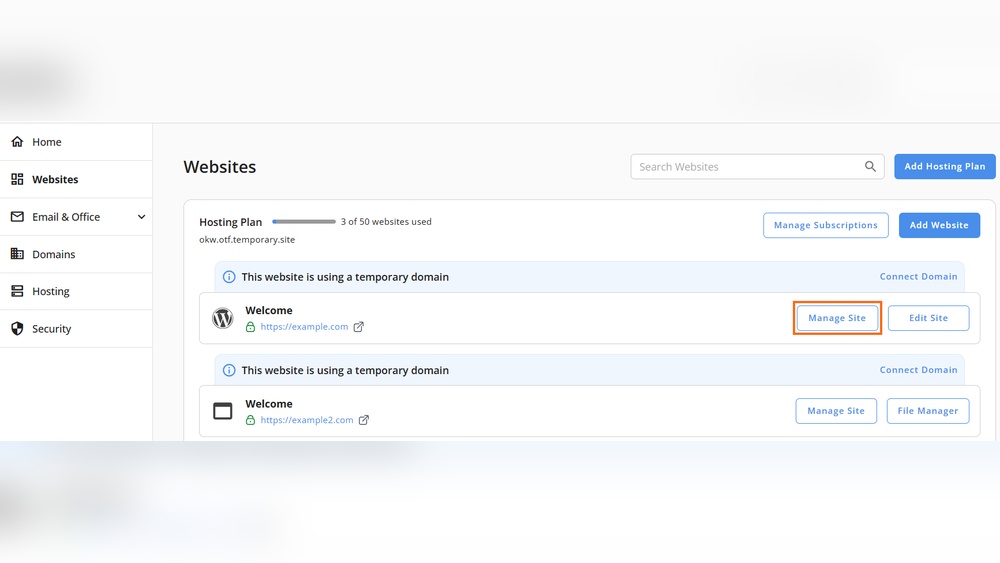

If you’re building a website, you want it to be secure and professional right from the start. That’s where hosting with free SSL and email comes in.
Imagine protecting your visitors’ information with SSL encryption without paying extra, while also having your own custom email address that boosts your brand’s credibility. Sounds like a win-win, right? You’ll discover how free SSL and email hosting can simplify your online presence, save you money, and give you peace of mind.

Keep reading to learn how to get these essential features included with your hosting and why they matter more than ever for your website’s success.

Credit: www.etsy.com
Benefits Of Free Ssl
Free SSL certificates have become a popular feature in web hosting packages. They secure websites without extra cost and add several benefits. Many web owners choose hosting with free SSL to protect their site and visitors. Understanding these benefits helps make a smart hosting choice.
Enhanced Website Security
SSL encrypts data between the visitor and the website. This prevents hackers from stealing sensitive information. Free SSL provides the same level of encryption as paid certificates. It keeps login details, payment data, and personal info safe. Secure websites are less likely to suffer from cyberattacks.
Improved Search Engine Ranking
Google favors websites with SSL in its ranking algorithm. Having a free SSL certificate helps a site rank higher. Better ranking means more visitors find the website through search engines. SSL acts as a trust signal for Google and other search engines. This can boost organic traffic without extra marketing costs.
Increased User Trust
Visitors feel safer on websites with HTTPS and a padlock icon. Free SSL certificates enable this visible sign of security. Users are more likely to stay longer and interact with the site. Trust encourages customers to complete purchases or submit forms. It improves the overall reputation of the website.
Cost Savings
Paid SSL certificates can be expensive, especially for small websites. Free SSL certificates eliminate this cost completely. Hosting with free SSL saves money without sacrificing security. This allows site owners to invest in other important areas. It is a practical choice for startups and small businesses.
Advantages Of Free Email Hosting
Free email hosting brings many benefits for small businesses and personal users. It offers reliable communication without extra costs. Using email hosting that comes free with your web hosting plan simplifies managing your messages. This section highlights key advantages of free email hosting that improve your online presence and efficiency.
Professional Communication
Free email hosting lets you use your own domain name. This makes your emails look professional and trustworthy. Customers feel more confident when they see a branded email address. It helps build your brand and shows you take your business seriously. A professional email address also improves your chances of being noticed.
Spam And Malware Protection
Free email hosting often includes built-in spam filters. These filters block unwanted and harmful emails before they reach your inbox. It keeps your email safe from viruses and scams. You spend less time sorting through junk mail. This protection helps maintain a secure and clean email environment.
Easy Setup And Management
Setting up free email hosting is quick and simple. Many hosts provide easy control panels to manage your accounts. You can create, delete, or modify email addresses with few clicks. No technical skills are needed to handle daily email tasks. This saves time and reduces frustration.
Integration With Hosting Services
Email hosting that comes free with your web hosting offers smooth integration. Your website and email work together seamlessly. You manage everything from one dashboard, which is convenient. This reduces the need for multiple service providers and simplifies support. All your online tools stay connected for better performance.
Choosing The Right Hosting Provider
Choosing the right hosting provider is crucial for your website’s security and communication. Many hosting companies offer free SSL certificates and email hosting, but not all options are the same. Careful consideration helps you find a service that fits your needs and budget. Pay attention to security, features, and support to avoid future problems.
Evaluating Ssl Options
SSL certificates protect your website by encrypting data. Free SSL certificates are common, but their features vary. Check if the SSL covers all your domains and subdomains. Look for automatic renewal to avoid expiration issues. Ensure the certificate uses strong encryption for better security.
Email Hosting Features
Email hosting is essential for professional communication. Some providers include free email accounts with hosting plans. Check the number of mailboxes and storage limits. Look for spam protection and easy setup options. Compatibility with popular email clients is a plus.
Reliability And Uptime
Reliable hosting ensures your website stays online. Aim for providers with at least 99.9% uptime guarantees. Frequent downtimes can harm your traffic and reputation. Check reviews and uptime history before choosing. Fast server response times also improve user experience.
Customer Support
Good customer support saves time and frustration. Look for 24/7 support availability through chat, phone, or tickets. Quick and helpful responses matter most. A knowledge base and tutorials can help solve common issues. Test support before committing to a provider.
Popular Free Ssl Providers
Many web hosts now offer free SSL certificates to secure websites at no cost. SSL certificates protect user data by encrypting the connection between browsers and servers. Choosing a reliable free SSL provider helps maintain trust and improve search rankings. Several popular options provide easy setup, strong security, and compatibility with most hosting platforms.
Let’s Encrypt
Let’s Encrypt is a widely trusted free SSL certificate authority. It offers automated certificates that renew every 90 days. Many hosting providers integrate Let’s Encrypt to simplify SSL installation. It supports domain validation and uses strong encryption standards. Let’s Encrypt helps secure millions of websites worldwide.
Cloudflare Ssl
Cloudflare SSL comes as part of its free CDN and security services. It provides flexible SSL options without needing to install certificates on your server. Cloudflare acts as a proxy, encrypting traffic between visitors and its servers. This service improves site speed and security simultaneously. Cloudflare SSL suits websites wanting easy and global encryption.
Zerossl
ZeroSSL offers free SSL certificates with a user-friendly interface. It supports ACME protocol for automatic certificate issuance. ZeroSSL also provides multi-domain and wildcard certificates. Users can generate certificates through its website or API. It is a good alternative for those seeking control and simplicity in SSL management.
Ssl For Subdomains
Many free SSL providers now support subdomain certificates. Wildcard SSL certificates cover all subdomains under a main domain. This feature reduces the need for multiple certificates. It saves time and ensures consistent security across subdomains. Hosting services often include wildcard SSL to protect sites with many subdomains.
Top Free Email Hosting Services
Email hosting with free SSL and email is essential for secure communication. Many services offer reliable free email hosting to manage your messages professionally. These options provide security and ease without extra costs.
Explore top free email hosting services that suit small businesses, freelancers, and personal use. Each service offers unique features to help you stay connected and secure.
Zoho Mail
Zoho Mail offers a free plan with up to 5 users and 5GB storage per user. It supports custom domain hosting for professional email addresses. Zoho includes spam filtering and mobile access. The interface is clean and easy to use. It also integrates with other Zoho apps for productivity.
Google Workspace Free Options
Google offers limited free options through Gmail and Google Groups. Gmail provides 15GB of free storage shared across Google services. Users get access to Google Drive, Docs, and Calendar. Custom domain hosting requires a paid Google Workspace plan. Gmail remains a popular choice for personal and small business email.
Protonmail
ProtonMail focuses on privacy and security with end-to-end encryption. The free plan includes 500MB storage and 150 messages per day. ProtonMail does not require personal information to sign up. It supports custom domains with paid plans. The service is ideal for users valuing privacy.
Outlook.com
Outlook.com offers free email hosting with 15GB mailbox storage. It integrates well with Microsoft Office apps and OneDrive. Users get built-in spam and virus protection. Outlook supports calendar and task management. It suits users familiar with Microsoft’s ecosystem.
Setting Up Free Ssl On Your Website
Setting up free SSL on your website protects user data and builds trust. SSL encrypts information between visitors and your server. Search engines also favor sites with SSL, improving rankings. Many hosting providers include free SSL certificates. Installing and maintaining SSL is easier than ever.
Automatic Ssl Installation
Some hosts install SSL certificates automatically. This process requires no user action. Once your domain is verified, the SSL activates. The website will show “https” and a padlock icon. Automatic installation works well for most users. It saves time and avoids errors.
Manual Ssl Configuration
Manual setup is needed if your host does not auto-install SSL. You must obtain a free certificate from providers like Let’s Encrypt. Download the certificate and private key files. Upload them to your hosting control panel or server. Follow your host’s instructions carefully. This method gives more control over SSL settings.
Renewal And Maintenance
Free SSL certificates usually expire every 90 days. Hosts often renew certificates automatically. Manual renewals require repeating the setup steps. Keep track of expiry dates to avoid downtime. Check your certificate status regularly in your control panel. Renew early to maintain continuous security.
Troubleshooting Common Issues
SSL errors can occur after installation. Mixed content warnings happen if some site elements use “http.” Update all URLs to “https” to fix this. Certificate mismatch errors may mean the wrong domain is secured. Clear your browser cache to see changes. Contact your host support if problems persist.
Configuring Free Email Hosting
Configuring free email hosting is a crucial step for any website owner. It allows you to send and receive emails using your domain name. This enhances your brand’s professionalism and trust. Setting up free email hosting involves a few important steps. Each step ensures your email works smoothly and securely.
Domain Verification
Domain verification confirms you own the domain you want to use for email. This process prevents others from using your domain without permission. To verify, your hosting provider will ask you to add a specific record to your domain’s DNS settings. This record is usually a TXT or CNAME type. Once added, the provider checks for it to complete verification.
Mx Records Setup
MX records direct email messages to your hosting provider’s servers. You must update these records in your domain’s DNS settings. The hosting service provides the correct MX record values to use. Properly set MX records ensure your emails reach the right inbox. Without correct MX setup, emails may not arrive or get lost.
Email Client Configuration
Email client configuration connects your email hosting to apps like Outlook or Gmail. You need server settings such as incoming and outgoing mail servers. Also, enter your full email address and password. Use secure protocols like IMAP or POP3 for incoming mail. For outgoing mail, use SMTP with authentication enabled.
Managing Spam Filters
Spam filters protect your inbox from unwanted emails. Your hosting provider usually offers basic spam filtering tools. You can adjust filter strength or create rules to block certain senders. Check your spam or junk folder regularly to avoid missing important mail. Managing spam filters keeps your email clean and secure.

Credit: www.youtube.com
Security Best Practices
Security is a key factor when hosting websites and managing emails. Protecting your site and communications prevents data theft and service interruptions. Following best practices enhances your defenses against cyber threats.
Simple steps can create a strong security foundation. These steps reduce risks and keep your hosting environment safe. Focus on password strength, authentication methods, software updates, and activity monitoring to build your security plan.
Using Strong Passwords
Passwords are the first line of defense. Use long passwords with letters, numbers, and symbols. Avoid common words or easy patterns. Change passwords regularly and never share them. Strong passwords help block unauthorized access to your hosting account and email.
Enabling Two-factor Authentication
Two-factor authentication (2FA) adds an extra security layer. It requires a second verification step, such as a code sent to your phone. This method prevents hackers from entering your account with only a password. Always enable 2FA for both hosting control panels and email services.
Regular Software Updates
Keep your hosting software, content management systems, and plugins up to date. Updates fix security flaws and improve system stability. Install updates as soon as they are available. Outdated software exposes your site to attacks and vulnerabilities.
Monitoring For Suspicious Activity
Watch your hosting account and email for unusual actions. Check login attempts, file changes, and traffic spikes. Use security plugins or tools that alert you to threats. Early detection helps stop attacks before they cause damage.
Common Challenges And Solutions
Hosting with free SSL and email services can save money and simplify setup. Yet, challenges often arise that affect website security and communication. Understanding common problems helps find quick fixes. This keeps your site secure and your emails reliable.
Ssl Certificate Errors
SSL certificate errors occur when browsers cannot verify your site’s security. This may happen due to expired certificates or incorrect installation. Using certificates from trusted providers reduces these errors. Always renew SSL certificates before they expire. Check your hosting control panel for easy updates. Clear browser caches to fix display issues. Some free SSL providers limit support, so read instructions carefully.
Email Delivery Issues
Email delivery problems are common with free hosting plans. Messages may end up in spam or fail to send. Set up proper DNS records like SPF, DKIM, and DMARC to improve email trust. Use verified sender addresses to avoid rejection. Monitor your email server’s reputation regularly. Free email accounts often have sending limits. Consider upgrading if you need more volume or reliability.
Limited Features In Free Plans
Free hosting plans often restrict storage, bandwidth, and email accounts. Some features like automatic backups or advanced security may be missing. These limits impact website performance and growth. Choose providers that offer essential features even in free tiers. Use external tools for backups and security scans. Plan ahead for your website’s needs to avoid surprises. Upgrading to paid plans unlocks more resources and support.
Scaling As Your Website Grows
Growing websites demand more resources and better security. Free hosting may not support increased traffic or complex applications. Monitor your site’s performance and resource usage regularly. When limits are reached, upgrade to plans with higher capacities. Migrating to another host can also improve speed and reliability. Look for providers with easy upgrade paths and good customer support. Planning for growth ensures smooth user experience and site stability.
Future Trends In Hosting And Security
The future of hosting and security is evolving fast. New technologies aim to protect websites and email better. These changes will make hosting safer and easier for everyone.
Security features like SSL certificates and email protection are improving. Hosting providers are adding smarter tools to fight cyber threats. Understanding these trends helps businesses stay secure online.
Advancements In Ssl Technology
SSL certificates are becoming more advanced and easier to use. Automatic renewal and installation reduce setup time. New types of certificates offer better encryption and trust. These improvements help protect data during online transfers. More websites will use SSL to secure their visitors.
Email Security Enhancements
Email hosting now includes stronger security measures. Features like spam filtering, phishing protection, and encryption are common. Providers use protocols such as DMARC and SPF to prevent fraud. These tools stop hackers from accessing sensitive email content. Better email security protects both users and businesses.
Integration Of Ai In Hosting
Artificial intelligence helps hosting services become smarter. AI monitors traffic to detect unusual activity quickly. It can block attacks before they cause damage. AI also optimizes server performance and resource use. This leads to faster, more reliable hosting experiences.
Increasing Demand For Privacy
Users want more control over their personal information. Hosting companies respond by offering privacy-focused features. Data encryption, anonymous browsing, and secure backups grow in popularity. Privacy laws also push providers to improve data protection. Hosting will continue to prioritize user privacy in the future.

Credit: www.etsy.com
How Our Company Can Help You with Hosting With Free Ssl And Email
Practical Learning Through Hosting With Free SSL and Email
Exploring hosting options that include free SSL and email offers more than just cost savings—it provides valuable hands-on experience with essential web technologies. Setting up free SSL on your website, as discussed earlier, is a practical step in understanding encryption and website security protocols. Similarly, configuring free email hosting gives insight into managing domain-based communications, an important skill for bloggers and businesses alike.
By choosing the right hosting provider, you can experiment with various security best practices and troubleshoot common challenges in real time. This approach aligns well with HostingAdvise’s mission to help readers choose hosting with confidence, based on balanced, evidence-based information. Practical engagement with these tools reinforces your grasp of future trends in hosting and security, preparing you for evolving digital demands.
If you want to deepen your understanding or face specific technical questions, consider reaching out to community forums or hosting support teams—they can be invaluable resources during your learning journey.
Frequently Asked Questions
What Is Hosting With Free Ssl And Email?
Hosting with free SSL and email means your web host provides a free SSL certificate and email accounts. This ensures secure website connections and professional email communication without extra costs.
Why Choose Hosting With Free Ssl For My Website?
Free SSL encrypts data between your site and visitors, boosting security and trust. It also improves SEO rankings, making your website safer and more visible on search engines.
Can I Get Professional Email With Free Ssl Hosting?
Yes, many hosting providers include free email accounts with SSL-secured hosting. This allows you to use custom domain emails, enhancing your brand’s professionalism and communication security.
How Easy Is It To Set Up Free Ssl And Email Hosting?
Most hosting services offer one-click SSL installation and email setup via control panels like cPanel. This makes the process quick and beginner-friendly, requiring minimal technical knowledge.
Conclusion
Choosing hosting with free SSL and email boosts your website’s security and communication. It saves money and reduces setup time. Free SSL protects your visitors’ data and builds trust. Email hosting keeps your business messages professional and reliable. Many providers offer easy-to-use plans for beginners.
Secure hosting creates a strong foundation for your online presence. Start simple, stay safe, and keep your site connected.














Leave a comment