




You want your website to rank higher on Google and attract more visitors, right? But did you know that your choice of web hosting can make or break your SEO efforts?
How fast your site loads, where your server is located, and how reliable your host is—all these factors directly impact your search engine rankings. If your hosting drags your site down, no amount of great content or keywords will save you.


You’ll discover exactly how web hosting affects your SEO and what you can do to make sure your hosting works for you, not against you. Keep reading to unlock the secrets that could boost your site’s visibility and help you outrank your competition.
Hosting And Seo Basics
Web hosting plays a key role in SEO. It affects how search engines see your site. A good hosting service helps your website load fast. Speed is important for search rankings and user experience.
Hosting also impacts site uptime. If your site is often down, search engines may lower your ranking. Reliable hosting keeps your website online and accessible to visitors.
Choosing the right hosting can improve your site’s visibility. It supports SEO efforts by providing a stable and fast environment.
How Hosting Influences Seo
Hosting affects site speed, which is a ranking factor. Faster sites get better positions in search results. Slow loading times can increase bounce rates and reduce user engagement.
Server location matters too. Hosting your site closer to your target audience helps load pages faster. This can boost local SEO and improve user satisfaction.
Downtime harms SEO rankings. Search engines may view frequent outages as poor site quality. Reliable hosting ensures your site stays online consistently.
Key Hosting Factors For Seo
Speed is critical. Choose hosts with fast servers and good bandwidth. This reduces page load times and improves user experience.
Server uptime should be high, ideally 99.9% or more. This keeps your site accessible and maintains search engine trust.
Security features like SSL certificates protect your site. Secure sites rank better and gain user trust.
Scalability allows your site to grow without slowing down. Good hosting plans handle increased traffic smoothly.
Support availability helps resolve issues quickly. Responsive hosting support minimizes downtime and SEO damage.
Website Speed And Performance
Website speed and performance play a crucial role in how search engines rank your site. Faster sites provide a better experience for visitors, keeping them engaged and reducing bounce rates. Slow loading websites frustrate users, causing them to leave quickly. Search engines notice this behavior and may lower your site’s ranking as a result. Hosting choices directly impact these speed factors, making it important to select a reliable provider.
Impact Of Load Time On Rankings
Load time refers to how long a page takes to fully appear on a user’s screen. Search engines prefer pages that load quickly. A delay of just a few seconds can cause a drop in rankings. Faster websites get more traffic because users stay longer and explore more pages. Improving load time helps your site compete better in search results.
Role Of Server Response Time
Server response time is the delay between a user’s request and the server’s answer. A slow server can cause the entire website to load slowly. Good web hosting offers fast server response times. This speed improves both user experience and search engine crawling. Faster response times signal a well-maintained site, which can boost your SEO efforts.
Benefits Of Content Delivery Networks
Content Delivery Networks (CDNs) store copies of your website on multiple servers worldwide. This reduces the distance between your site and visitors. CDNs speed up loading times for users far from your main server. They also reduce the risk of server overload during traffic spikes. Using a CDN helps maintain consistent performance, which search engines favor.
Server Location And Geo-targeting
Server location plays a crucial role in SEO by impacting website speed and geo-targeting. Geo-targeting helps search engines show your site to users in specific regions. Hosting your website on a server near your target audience reduces loading times. Faster load speeds improve user experience and search rankings. Server location signals to search engines the main audience for your website. This can boost your visibility in local search results.
Local Seo Advantages
Choosing a server close to your customers improves local SEO performance. Search engines prefer websites that load quickly in the user’s region. A nearby server lowers latency and speeds up page delivery. This enhances user satisfaction and reduces bounce rates. Local businesses benefit from stronger rankings within their city or state. Geo-targeting also helps tailor content to match local interests. It increases the chances of appearing in “near me” searches.
Choosing The Right Server Location
Select a server location that matches your primary audience’s geography. For example, host in the US for American visitors. Using a Content Delivery Network (CDN) can help serve global users faster. CDNs cache your content on multiple servers worldwide. This reduces load times across various regions without moving your main server. Check your hosting provider’s data center locations before buying. The right server choice supports better SEO and user experience.

Credit: www.searchenginejournal.com
Reliability And Uptime
Reliability and uptime are crucial for any website. They determine how often your site is accessible to visitors and search engines. A reliable host keeps your website online without interruptions. Uptime refers to the amount of time your site remains available over a period. High uptime means your site is almost always accessible. This plays a big role in SEO because search engines prefer sites that are stable and accessible.
How Downtime Affects Seo
Downtime happens when your website is unavailable. Search engines may visit your site and find it offline. This can lead to lower rankings since search engines see your site as unreliable. Frequent downtime frustrates visitors, causing them to leave quickly. High bounce rates can hurt your SEO rankings. Even short outages can negatively impact your search engine position.
Ensuring Consistent Website Availability
Choose a web host with strong reliability and high uptime guarantees. Look for hosts offering 99.9% uptime or better. Use monitoring tools to track your website’s availability. Quick response and support from your host help reduce downtime. Consistent uptime improves user experience and search engine trust. This supports better SEO performance over time.
Security And Seo
Security plays a key role in SEO and website performance. Search engines prefer websites that protect users’ data. A secure website builds trust and ranks higher in search results. Web hosting can provide the security tools needed to keep your site safe. This section explains how hosting security impacts SEO.
Importance Of Ssl Certificates
SSL certificates encrypt data between the user and your website. This keeps information like passwords and credit card numbers safe. Google uses SSL as a ranking signal. Sites with SSL (https) often rank better than those without it. Hosting providers usually offer SSL certificates for free or as add-ons. Installing SSL is a simple way to improve your site’s SEO and user trust.
Hosting Security Features That Boost Seo
Good web hosts include features like firewalls, malware scanning, and automatic backups. These protect your site from hacks and attacks. A hacked site can lose rankings or be removed from search results. Fast response to threats minimizes downtime and keeps your SEO intact. Secure hosting also ensures your website loads safely without interruptions. This reliability helps search engines trust your site more.

Credit: realtyna.com
Switching Hosts Without Seo Loss
Switching web hosts can feel risky for SEO. Many worry about losing rankings or traffic. The good news: a careful move keeps SEO intact. Focus on planning, preserving URLs, and avoiding mistakes. This way, search engines still love your site after the switch.
Planning A Smooth Transition
Start by choosing a host that matches or improves your current speed. Backup your entire website, including files and databases. Inform your team and users about the planned switch. Test the new hosting environment before making it live. Set a low-traffic time for the switch to reduce impact. Monitor site performance and SEO rankings closely after the move.
Preserving Urls And Site Structure
Keep all URLs exactly the same. Changing URLs can confuse search engines and users. Maintain your site’s folder and file structure without changes. Use 301 redirects only if URLs must change. Check internal links to ensure they still work properly. Submit an updated sitemap to search engines after switching hosts.
Common Mistakes To Avoid
Avoid long downtime during the switch. Search engines may see your site as unavailable. Don’t rush the migration without testing everything first. Avoid changing your CMS or plugins at the same time. Don’t forget to update your DNS settings correctly. Overlooking SSL certificates can cause security warnings and hurt SEO.
Choosing The Best Web Host For Seo
Choosing the best web host for SEO is a key step in building a strong online presence. Web hosting affects your website’s speed, uptime, and security. These factors play a direct role in how search engines rank your site. Picking the right host ensures your site runs smoothly and ranks well.
Evaluating Hosting Options
Start by examining the types of hosting available. Look for hosts that offer fast servers and high uptime guarantees. Check if they provide features like SSL certificates and easy backups. Consider their data center locations since closer servers can boost loading times. Read user reviews to understand real performance and support quality.
Balancing Cost And Performance
Cheaper hosting plans may save money but often come with slower speeds or less reliability. Faster hosting improves user experience and SEO rankings. Choose a plan that fits your budget without sacrificing performance. Investing a bit more can lead to better site speed and fewer downtime issues.
Managed Vs. Shared Hosting
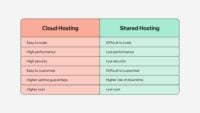
Shared hosting means sharing resources with other websites on one server. It is cheaper but may slow down your site if others consume too many resources. Managed hosting offers dedicated support and optimized settings for better speed and security. This option suits growing sites needing stable performance and SEO benefits.

Credit: www.commonplaces.com
Advanced Hosting Features For Seo
Advanced hosting features play a key role in enhancing SEO performance. They improve site speed, reliability, and user experience. These factors help search engines rank your site higher. Choosing a host with advanced tools gives your website an edge.
Two important features that impact SEO are caching and Content Delivery Networks (CDNs). Both reduce load times and improve site accessibility worldwide. Fast, smooth websites keep visitors engaged and decrease bounce rates.
Caching And Its Seo Benefits
Caching stores website data temporarily on user devices or servers. It speeds up page loading by reusing saved files. Faster loading times lead to better user experience and higher search rankings.
Search engines favor sites that load quickly. Caching reduces server load and improves site stability. It can also help your site handle more visitors without slowing down.
By enabling caching, your pages become more responsive. This increases visitor retention and encourages longer site visits. These are positive signals for search engines.
Using Cdn For Global Reach
A Content Delivery Network (CDN) spreads your site’s data across multiple servers worldwide. Visitors load content from the closest server, cutting down delays. This makes your website faster for users everywhere.
CDNs boost SEO by reducing latency and improving site speed internationally. They also protect your site from traffic spikes and cyber attacks. This ensures your site remains accessible and reliable at all times.
Global reach through CDN helps search engines understand your site’s authority. It improves rankings for users in different regions. A CDN is essential for websites targeting a worldwide audience.
How Our Company Can Help You with How Does Web Hosting Affect Seo?
Practical Learning: Applying Hosting Insights to Boost SEO
Understanding how web hosting impacts SEO is more than just theory—it’s about making informed decisions that enhance your site’s performance and search visibility. As we’ve explored, factors like website speed and performance play a crucial role; a slow server response can hurt your rankings and user experience. Similarly, server location and geo-targeting influence how well your site performs in local search results, which is vital for businesses targeting specific regions.
For those new to SEO or managing their own sites, taking a hands-on approach helps. Start by monitoring your site’s uptime and speed regularly to ensure your hosting provider maintains reliability. Experimenting with hosts that offer advanced features—such as integrated Content Delivery Networks (CDNs) or enhanced security protocols—can also provide practical insights into how these elements affect SEO outcomes.
- Use tools like Google PageSpeed Insights to measure hosting-related performance.
- Test site availability and response times during different periods.
- Consider your audience’s location when selecting server regions.
At HostingAdvise, we emphasize evidence-based guidance derived from official documentation and verified user feedback, aiming to empower beginners and professionals alike. If you want to dive deeper or need tailored advice, reaching out to knowledgeable communities or consulting trusted resources can be invaluable.
For further questions, you can contact support@hostingadvise.com—no pressure, just a friendly resource to help you navigate these technical decisions confidently.
Frequently Asked Questions
What Is The 80/20 Rule For Seo?
The 80/20 rule for SEO means 80% of results come from 20% of efforts. Focus on high-impact SEO tasks.
Is Seo Dead Or Evolving In 2026?
SEO is evolving in 2026, not dead. New algorithms and user behaviors shape smarter, more adaptive SEO strategies.
What Are The 3 C’s Of Seo?
The 3 C’s of SEO are Content, Code, and Credibility. Content attracts users, Code ensures site functionality, and Credibility builds trust.
Why Is Hosting Important For Seo?
Hosting impacts SEO by ensuring fast site loading, improving uptime, and enhancing local targeting. Reliable hosting boosts user experience and search rankings.
Conclusion
Web hosting plays a key role in SEO success. Fast loading speeds keep visitors happy and boost rankings. Reliable uptime ensures your site stays accessible to both users and search engines. Hosting location affects local SEO by improving site speed for nearby users.
Secure hosting with HTTPS builds trust and helps rankings. Choose a hosting provider that offers stability, speed, and security. Small hosting changes can impact SEO, so handle transitions carefully. Strong hosting lays a solid foundation for better search visibility and user experience.













Leave a comment