




You’ve put a lot of effort into creating great content and building your website. But have you ever wondered if your choice of web hosting could be holding back your SEO success?
The truth is, web hosting can play a surprisingly big role in how well your site ranks on Google. From site speed to uptime and security, your hosting provider impacts more than just your website’s performance—it can affect your visibility in search results too.


If you want to make sure your SEO efforts aren’t wasted, keep reading to discover exactly how web hosting influences your rankings and what you can do to make the most of it.
Hosting And Seo Basics
Web hosting plays a key role in how search engines view your site. It affects site performance and user experience. These factors influence your SEO rankings.
Choosing the right hosting provider helps maintain fast loading speeds and uptime. These qualities keep visitors engaged and improve your search position.
How Hosting Influences Seo
Hosting affects site speed, which is a direct ranking factor. Slow websites lose visitors and rank lower in search results.
Uptime is also important. Frequent downtime means search engines cannot access your site. This lowers your SEO value.
Hosting location can impact loading times for users in different regions. Faster access can improve local search rankings.
Security features like SSL certificates are often part of hosting packages. Secure sites with HTTPS get a ranking boost from Google.
Key Seo Factors Impacted By Hosting
Page load speed depends heavily on your hosting server’s performance. Better servers deliver content faster.
Server uptime ensures your website is available for visitors and search bots consistently.
Security measures prevent hacking and protect data. This keeps your site trustworthy in Google’s eyes.
Technical support from your host helps fix issues quickly. This reduces downtime and SEO risks.
Speed And Performance
Speed and performance play a crucial role in SEO. Search engines favor websites that load quickly and run smoothly. Visitors also prefer fast sites, which lowers bounce rates and boosts engagement. Web hosting directly affects these aspects by influencing server response times and uptime reliability. Choosing the right hosting can improve your site’s speed, leading to better search rankings and user experience.
Server Speed And Page Load Time
Server speed determines how fast your website responds to requests. Faster servers deliver content quickly, reducing page load time. Slow servers cause delays, frustrating visitors and increasing bounce rates. Search engines track page load time as a ranking factor. Websites that load in under three seconds tend to perform better in search results. Reliable hosting providers use optimized hardware and networks to ensure fast server speeds.
Core Web Vitals And Hosting
Core Web Vitals measure user experience based on loading, interactivity, and visual stability. Hosting affects these metrics by impacting how fast resources load and how consistently they appear. Good hosting improves Largest Contentful Paint (LCP), First Input Delay (FID), and Cumulative Layout Shift (CLS). These scores influence Google’s ranking decisions. Hosting with strong performance and low downtime helps maintain good Core Web Vitals.
Impact Of Slow Hosting On Rankings
Slow hosting causes slower page loads, harming user experience and SEO. Search engines may lower rankings for slow websites. Visitors leave before pages fully load, increasing bounce rates. This signals poor quality to search engines. Over time, slow hosting can reduce organic traffic and conversions. Investing in fast, stable hosting prevents these issues and supports long-term SEO success.
Uptime And Reliability
Uptime and reliability are crucial for any website’s SEO health. Search engines favor sites that remain accessible without interruptions. A reliable web host ensures your website is available to visitors and crawlers alike. Downtime can harm your site’s ranking and user trust. Keeping your website consistently online is essential for maintaining strong SEO performance.
Server Downtime Effects
Server downtime means your site is unreachable. Search engines may lower your ranking if they find your site often offline. Visitors who encounter errors may leave quickly. High bounce rates signal poor user experience to search engines. Downtime also delays search engine crawlers from indexing your pages. This can slow down SEO progress and reduce traffic.
Maintaining Consistent Availability
Choose a web host with high uptime guarantees, ideally 99.9% or higher. Reliable servers keep your site online almost all the time. Regular monitoring helps detect issues before they cause downtime. Fast recovery from outages limits negative SEO impacts. Consistent availability builds trust with users and search engines. It supports better rankings and steady website growth.
Security And Seo
Security plays a vital role in SEO. Search engines prioritize safe websites for users. A secure site builds trust and protects user data. Web hosting influences your site’s security level. Understanding this link helps improve your SEO efforts.
Importance Of Https And Ssl
HTTPS encrypts data between browser and server. SSL certificates enable HTTPS, securing user information. Google favors HTTPS sites in search rankings. Sites without HTTPS may show warnings to visitors. This reduces user trust and increases bounce rates.
Hosting Security Features
Good hosts offer firewalls and malware scanning. They prevent hacking attempts and data breaches. Regular backups protect your site from data loss. Secure servers limit unauthorized access. These features keep your website safe and stable.
How Security Influences Search Rankings
Search engines detect security issues like malware or phishing. Unsafe sites get lower rankings or removal from results. Secure sites provide better user experience and reliability. This boosts user engagement and search visibility. Hosting security directly impacts your SEO success.
Server Location And Seo
Server location plays a key role in SEO by affecting site speed and search rankings. Hosting your website close to your target audience reduces latency and improves load times. This can lead to better user experience and higher rankings on search engines. Understanding how server location impacts SEO helps you choose the best hosting option for your site.
Geographic Impact On Load Times
Server location affects how fast your website loads for visitors. The closer the server is to the user, the quicker the data travels. Faster load times reduce bounce rates and keep visitors engaged. Search engines consider page speed as a ranking factor, so a nearby server can boost SEO.
Local Seo Benefits
Hosting your website on a server in the same country as your audience improves local SEO. Search engines use server location as a signal for regional relevance. A local server helps your site appear in local search results. This increases visibility among users looking for nearby services or products.
Choosing The Right Server Location
Select a server location based on where most visitors live. Use tools to analyze your website traffic and identify your main audience. If you serve multiple regions, consider using Content Delivery Networks (CDNs) to improve speed globally. Choose a reliable hosting provider with servers in your target area.
Changing Web Hosts
Changing web hosts can be a big decision for any website owner. This move can impact your website’s performance and visibility on search engines. It is important to plan the change carefully to avoid losing your hard-earned SEO rankings. Many website owners worry about the risks involved in migration. Understanding these risks and the right steps to take can protect your site’s search engine performance.
Seo Risks During Migration
Switching hosts may cause downtime, slowing down your website temporarily. Search engines might see this as poor user experience. URL structures might accidentally change, causing broken links and lost traffic. Server errors can lead to pages not loading, which harms SEO. Sometimes, a new host might have slower loading speeds. This can negatively affect your search rankings. Improper migration can confuse search engines about your site’s identity.
Steps To Minimize Seo Impact
Start by backing up your entire website and database. Check that URLs remain the same after migration. Use 301 redirects if any URL changes are necessary. Test your site thoroughly on the new host before going live. Monitor your site’s loading speed and uptime closely. Submit your updated sitemap to search engines quickly. Keep an eye on your Google Search Console for errors. Plan migration during low-traffic hours to reduce impact.
When To Consider Changing Hosts
Consider switching if your current host has frequent downtime. Slow loading speeds that cannot be fixed are a major sign. If customer support is poor or unresponsive, it may hurt your site. When your site outgrows your current hosting plan, a change is needed. Moving to a host with better security features can protect your SEO. Also, if you want to improve site speed and user experience, change hosts. Always weigh the risks and benefits before making the switch.
Hosting Plans And Seo
Choosing the right hosting plan impacts your website’s SEO in many ways. Hosting affects site speed, uptime, and security. These factors influence search engine rankings directly. Understanding hosting options helps you pick one that supports SEO goals.
Shared Vs Dedicated Hosting
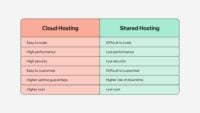
Shared hosting means many websites use the same server. This can slow down your site if others consume too many resources. Slow websites rank lower in search results. Dedicated hosting gives you a whole server to yourself. This improves loading speed and stability. Search engines favor fast and reliable websites. Dedicated hosting often boosts SEO compared to shared plans.
Cloud Hosting Effects
Cloud hosting stores your website on multiple servers. It offers better uptime and flexibility. If one server fails, another takes over. This keeps your site live and accessible. Search engines rank sites higher that rarely go offline. Cloud hosting also adapts to traffic spikes smoothly. This prevents slowdowns during busy times, protecting your SEO rankings.
Scalability And Seo Growth
As your site grows, traffic usually increases. Hosting plans that scale easily support this growth. They keep loading times fast even with more visitors. Slow sites lose rankings and visitors. Scalable hosting lets you add resources quickly. This maintains performance and SEO health as your site expands. Investing in scalable hosting supports long-term SEO success.
Common Hosting Seo Mistakes
Choosing the right web hosting is key for SEO success. Many website owners make simple but harmful hosting mistakes. These errors can slow sites, reduce security, and hurt rankings. Avoiding common hosting SEO mistakes helps improve site performance and search visibility.
Focus on fixing hosting issues that directly impact SEO. Small changes can lead to better user experience and higher search rankings.
Ignoring Site Speed Optimization
Site speed is crucial for SEO. Slow-loading pages frustrate visitors and increase bounce rates. Some hosts use outdated servers or overload resources. This results in slow response times and delays. Not optimizing hosting for speed means losing potential traffic and lower rankings.
Choose a host with fast servers and use caching tools. Compress images and minimize code to boost loading times.
Neglecting Security Measures
Security affects SEO more than many realize. Sites without HTTPS or proper security get lower trust from search engines. Hackers target weakly protected sites, causing downtime or content changes. This harms your SEO and reputation.
Pick hosting that offers free SSL certificates and regular backups. Keep software updated and enable firewalls to protect your site.
Overlooking Server Location
Server location influences SEO for local audiences. Hosting your site far from visitors causes slower load times. Search engines consider server location when ranking local searches. Ignoring this can reduce your site’s visibility in key regions.
Use a hosting provider with servers near your target audience. Consider content delivery networks (CDNs) to serve content faster worldwide.
Optimizing Hosting For Seo
Optimizing web hosting is essential for strong SEO performance. Hosting influences site speed, uptime, and security, which affect search rankings. Improving hosting setup can boost user experience and search visibility.
Focus on key hosting factors. Choose a reliable provider, reduce server response time, and maintain your server regularly. These steps help search engines crawl and rank your site better.
Choosing The Right Provider
Select a hosting provider with a strong uptime record. Downtime can harm your SEO by making your site inaccessible to users and crawlers. Pick hosts with fast servers and good support.
Look for providers offering secure connections like HTTPS. Security is a ranking factor and builds visitor trust. Also, consider data center locations close to your target audience for faster loading.
Improving Server Response Time
Server response time impacts page load speed, a critical SEO metric. Use a host with optimized servers and modern hardware. A slow server delays content delivery and frustrates visitors.
Enable caching solutions and content delivery networks (CDNs) to reduce load times globally. These tools minimize the distance data travels, speeding up access to your site’s pages.
Regular Monitoring And Maintenance
Keep your hosting environment updated. Regular updates prevent security issues and keep performance stable. Monitor uptime and speed frequently to catch problems early.
Check server logs for errors and fix them promptly. Clean up unnecessary files and optimize databases to maintain fast response. Consistent maintenance ensures your site stays SEO-friendly over time.
How Our Company Can Help You with Does Web Hosting Affect Seo?
Frequently Asked Questions
Is Seo Dead Or Evolving In 2026?
SEO is evolving in 2026, focusing on user experience, AI integration, and quality content. It remains essential for online success.
What Is The 80/20 Rule In Seo?
The 80/20 rule in SEO means 80% of results come from 20% of efforts. Focus on high-impact tasks for better rankings.
What Impacts Seo The Most?
The biggest SEO impacts come from high-quality content, authoritative backlinks, fast loading speed, mobile-friendly design, secure HTTPS, and excellent user experience.
What Are Common Seo Mistakes To Avoid?
Common SEO mistakes include ignoring keyword research, using duplicate content, neglecting mobile optimization, having slow page speed, and poor backlink quality. Avoid keyword stuffing, missing meta tags, broken links, and weak site structure to improve search rankings and user experience.
Conclusion
Web hosting plays a key role in your website’s SEO performance. Fast loading times keep visitors happy and improve rankings. Reliable uptime ensures search engines can access your site anytime. Secure hosting protects your site and builds trust. Choose a host that supports these factors well.
Your SEO benefits when your site runs smoothly and safely. Small hosting choices can lead to big SEO differences. Keep your hosting strong to help your website succeed.













Leave a comment