



Choosing the best hosting for your small business website can feel overwhelming. You want a service that’s reliable, fast, and easy to use — without breaking your budget.
The right hosting can boost your site’s performance, keep your data secure, and help you connect with customers smoothly. But with so many options out there, how do you pick the one that fits your unique needs? You’ll discover the top hosting providers designed specifically for small businesses like yours.
We’ll break down key features you need, compare popular choices, and help you make a confident decision that sets your website up for success. Keep reading to find the perfect hosting partner that will grow your business online.
Top Hosting Providers
Choosing the right hosting provider is vital for small business websites. The provider affects site speed, security, and uptime. Reliable hosting ensures a smooth experience for visitors. Here are top hosting providers suitable for small businesses. Each offers unique features that fit various needs and budgets.
Hostinger
Hostinger offers affordable plans with strong performance. It includes free SSL and daily backups. The control panel is simple and beginner-friendly. Hostinger supports WordPress well, making it a solid choice for small businesses.
Bluehost
Bluehost is popular for WordPress hosting. It provides one-click installs and 24/7 support. The plans include a free domain for the first year. Bluehost guarantees solid uptime and security features.
Ionos
IONOS offers scalable hosting with flexible pricing. It provides dedicated support and enhanced security tools. IONOS suits businesses expecting growth. The interface is easy to navigate for beginners.
Wix
Wix is an all-in-one website builder and host. It features drag-and-drop tools and stylish templates. No coding is needed to create a professional website. Wix handles hosting, backups, and security automatically.
Godaddy Vs Domain.com
GoDaddy offers more advanced tools and better backups. It supports easy site migration and extra features. Domain.com is simpler and more affordable. For power users, GoDaddy provides better control and options.
Siteground
SiteGround excels in speed and customer service. It offers daily backups and free SSL certificates. SiteGround’s hosting is optimized for WordPress. It is ideal for businesses needing strong performance.
Squarespace
Squarespace combines hosting with elegant design templates. It suits users wanting a stylish, easy-to-build site. The platform manages security and updates. Squarespace is perfect for creatives and small shops.
Shopify
Shopify focuses on e-commerce hosting. It supports multiple payment methods and inventory management. Shopify offers built-in marketing tools and security. This platform fits small businesses selling products online.
Hosting Types For Small Business
Choosing the right hosting type is key for small business website success. Each hosting type offers different features, performance levels, and costs. Understanding these options helps you select a plan that fits your business needs and budget.
Shared Hosting
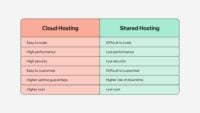
Shared hosting means your website shares a server with other sites. This option is affordable and easy to set up. It works well for small sites with low traffic. Resources like storage and bandwidth are shared, which can limit performance during high traffic times.
Vps Hosting
VPS hosting provides a virtual private server for your site. It offers more control and power than shared hosting. Your resources are guaranteed, improving speed and reliability. VPS is suitable for growing businesses that need better performance.
Dedicated Hosting
Dedicated hosting gives you an entire server to yourself. This option delivers maximum control, security, and performance. It fits businesses with high traffic or special software needs. Dedicated hosting costs more and requires technical knowledge to manage.
Cloud Hosting
Cloud hosting uses multiple servers to host your website. It offers great flexibility and scalability. Your site can handle traffic spikes without slowing down. Cloud hosting is reliable and usually charges based on your usage, making it cost-effective.
Website Builders With Hosting
Website builders like Wix and Squarespace include hosting with easy drag-and-drop tools. These platforms simplify site creation and management. They suit businesses without technical skills or those needing a quick setup. Hosting is bundled, so you pay one fee for both services.
Features To Prioritize
Choosing the right hosting for your small business website means focusing on key features. These features protect your site, improve performance, and help your business look professional online. Prioritize features that offer security, ease of management, and reliability. This ensures your website runs smoothly and safely, even as your business grows.
Free Ssl Certificate
An SSL certificate secures data between your website and visitors. It protects sensitive information like passwords and credit card numbers. Many search engines also rank sites higher if they have SSL. Free SSL certificates come with most good hosting plans. This feature is essential for building trust with customers.
Automated Backups
Automated backups save your website data regularly without manual effort. If your site crashes or gets hacked, you can restore it quickly. This feature gives peace of mind and prevents loss of important information. Choose hosting that offers daily backups and easy restoration options.
Professional Business Email
A professional email using your domain name looks more credible. For example, use info@yourbusiness.com instead of a generic email address. It helps customers trust your business and improves communication. Many hosts include business email services in their plans at no extra cost.
Site Migration Services
Site migration services help move your website from another host easily. This saves time and avoids technical problems during the move. Look for hosts that offer free or low-cost migration with expert support. It makes switching hosts smooth and stress-free.
Performance And Uptime
Fast loading times keep visitors on your site and improve search rankings. High uptime means your website stays online without interruptions. Aim for hosting providers with at least 99.9% uptime guarantees. Reliable performance helps maintain a good user experience and boosts sales.

Credit: www.greengeeks.com
Choosing Hosting By Business Needs
Choosing the right hosting depends on what your business really needs. Every small business has different goals, budgets, and technical skills. Picking a host that matches these needs helps your website perform well and grow smoothly. Here are key points to consider when choosing hosting for your small business.
Budget-friendly Options
Small businesses often start with limited budgets. Affordable hosting plans help save money while keeping essential features. Look for hosts offering good speed, uptime, and support within your price range. Shared hosting usually fits budget needs well. Avoid paying for extras you don’t need.
E-commerce Hosting
Online stores need special hosting features. Secure payment options and fast loading times are vital. Choose hosts with built-in SSL certificates and e-commerce tools. Some hosts offer easy integration with popular platforms like Shopify or WooCommerce. These features keep customer data safe and improve shopping experience.
Ease Of Use For Non-technical Users
Many small business owners are not tech experts. Hosting with simple control panels and one-click installers helps manage your site easily. Drag-and-drop website builders are a plus. Clear customer support also matters. This way, you spend less time on tech and more on your business.
Customization And Control
Some businesses want full control over their website setup. Hosting that supports custom software, scripts, or CMS platforms suits them well. VPS and dedicated hosting provide more resources and flexibility. Choose a host that allows you to install and configure tools as needed.
Scalability
Your business will grow, and your website should grow too. Hosting plans that allow easy upgrades save hassle. Start small but choose hosts that offer smooth transitions to higher plans. This ensures your site handles more visitors without slowing down or crashing.
Website Builders Vs Hosting Services
Choosing between website builders and hosting services is key for small businesses. Both options help create websites but serve different needs. Understanding their differences saves time and money. It guides you toward the best choice for your business goals.
All-in-one Platforms
All-in-one platforms combine website building and hosting. They offer easy setup and management in one place. Examples include Wix, Squarespace, and Shopify. These platforms are great for beginners or small businesses wanting fast results. They handle technical details like security and updates.
Separate Hosting And Builders
Some businesses prefer separate hosting and website builders. This means buying hosting from one provider and building with another tool. WordPress is a popular builder used with hosts like Hostinger or SiteGround. This approach offers more control and flexibility but needs more setup effort.
Diy Design Tools
DIY design tools let you create websites without coding. They include drag-and-drop editors and visual page builders. Builders like Wix and Weebly provide these tools inside their platforms. DIY tools help customize your site’s look quickly and easily without hiring a designer.
Templates And Customization
Templates provide ready-made designs for websites. They speed up the building process by offering pre-designed layouts. Most builders and hosting platforms offer many templates. Customization options vary—some allow deep changes, others only basic edits. Choose templates that match your brand and style.
Local Hosting Providers In The Usa
Choosing local hosting providers in the USA offers unique advantages for small businesses. Hosting your website close to your target audience can improve loading speeds and reliability. It also means you support local businesses and benefit from personalized service. Many US-based providers focus on serving small businesses with tailored solutions.
Providers Based In Austin, Texas
Austin hosts several reliable local web hosting companies. These providers understand the needs of small businesses in Texas and beyond. They offer plans with easy setup, secure servers, and solid uptime. Some popular Austin-based hosts include WP Engine and Media Temple. Their data centers in or near Austin help deliver fast website loading times for local visitors.
Benefits Of Local Hosting
Local hosting reduces website latency by placing servers near users. This means your site loads faster for visitors in the USA. Faster sites keep users engaged and reduce bounce rates. Local providers often comply with US data laws, ensuring better data privacy. They also offer payment options and billing in US dollars. This convenience appeals to many small business owners.
Support And Customer Service
Local hosting companies typically provide customer support during US business hours. They understand the needs of American small businesses. Support teams often speak clear English and respond quickly. You can get help via phone, chat, or email. This reliable support helps resolve technical issues fast. It minimizes downtime and keeps your website running smoothly.
Tips For Small Business Website Success
Building a successful small business website requires more than just picking the right hosting provider. Careful attention to site performance, data security, backup routines, and professional communication tools plays a crucial role. These tips help create a smooth user experience and build trust with customers.
Following simple steps keeps your website reliable and professional. Small businesses gain more visitors and improve customer satisfaction by maintaining a fast, safe, and well-managed site.
Optimizing Site Performance
Fast-loading pages keep visitors engaged and lower bounce rates. Choose a hosting provider with solid uptime and speed. Compress images and use caching plugins to reduce load times. Avoid cluttered designs that slow down your website. Regularly test your site’s speed using free tools. A quick site improves user experience and search rankings.
Securing Customer Data
Protecting customer data builds trust and meets legal requirements. Use hosting that offers free SSL certificates to encrypt information. Keep software and plugins up to date to close security gaps. Implement strong passwords and limit admin access. Regularly monitor your site for unusual activity or threats. Secure websites encourage visitors to shop or contact you confidently.
Maintaining Site Backups
Backups prevent data loss from crashes or hacks. Choose hosting with automated daily backups included. Store backups in multiple locations for extra safety. Test restoring backups occasionally to ensure they work. Keep a recent backup before making big site changes. Reliable backups help you recover quickly and avoid costly downtime.
Using Professional Email Addresses
Email addresses matching your domain look trustworthy and boost branding. Avoid generic emails like Gmail or Yahoo for business communication. Set up professional emails such as info@yourbusiness.com or support@yourbusiness.com. Many hosting providers include email services with your plan. Professional emails improve customer confidence and make your business appear more established.
Credit: www.binpress.com

Credit: www.youtube.com
How Our Company Can Help You with Best Hosting for Small Business Website
Learning Through Hosting Choices: A Practical Approach
When selecting the best hosting for a small business website, it’s valuable to view the process as an ongoing learning opportunity. Exploring different hosting types for small business helps clarify what technical features truly matter, such as uptime guarantees or customer support responsiveness. This aligns with prioritizing features that match your unique business needs, whether that’s shared hosting for budget-conscious startups or VPS for growing companies requiring more control.
Engaging with resources that compare website builders vs hosting services can deepen your understanding of how integrated platforms differ from standalone hosting solutions. This knowledge empowers you to make informed decisions rather than defaulting to popular options.
- Analyze your business goals alongside hosting capabilities.
- Test various platforms to experience their usability firsthand.
- Consult trusted guides like those from HostingAdvise, which synthesize official documentation, user feedback, and research to provide balanced insights.
Remember, learning about web hosting is a step toward greater online confidence. If you have questions or need further clarification, reaching out to professional tech communities or support forums can be very helpful without any pressure.
Frequently Asked Questions
Which Web Hosting Is Best For Small Businesses?
Hostinger, Bluehost, and SiteGround offer reliable, affordable hosting ideal for small businesses. Squarespace and Wix suit those needing easy website builders. Shopify excels for online stores. Choose hosts with free SSL, daily backups, and professional email for best results.
Is Godaddy Or Domain.com Better?
GoDaddy offers more advanced tools, better backups, and site migration services. Domain. com suits simple needs. For power users, GoDaddy is better.
Where Is The Best Place To Host A Website For A Small Business?
Hostinger, Bluehost, SiteGround, and Wix rank among the best for small business websites. Choose based on budget, ease, and needed features.
What Hosting Type Is Best For A Small Website?
Shared hosting is best for small websites due to its affordability and ease of use. It offers sufficient resources and simple management for beginners.
Conclusion
Choosing the right hosting helps your small business website grow steadily. Reliable hosting keeps your site fast and secure. Look for features like free SSL, backups, and easy email setup. A good host supports your site as your business expands.
Take time to compare options and find what fits your needs best. Your website’s success depends on a solid hosting foundation. Start with a trusted provider to build your online presence confidently.










Leave a comment