


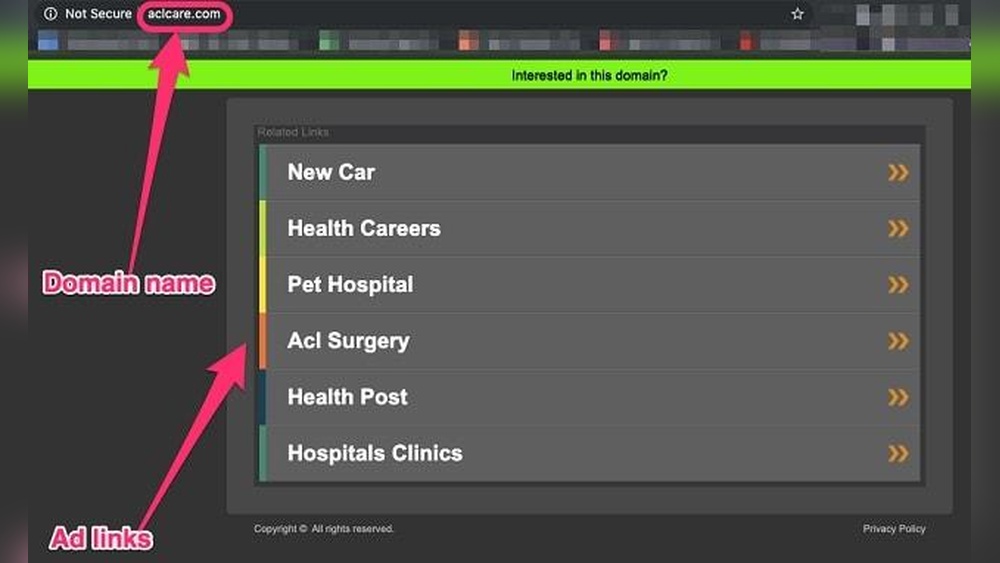
Have you ever typed in a web address only to see a simple page saying “Coming Soon” or filled with ads instead of a full website? That’s often a sign you’ve landed on a parked domain.
But what exactly does “parked domain” mean, and why should you care? Whether you’re thinking about buying a domain name or just curious about the internet’s hidden corners, understanding parked domains can save you time, money, and headaches. You’ll discover what parked domains are, why people use them, and how they might impact your online experience.
Stick around—you might find a surprising way to make your domains work for you!
Parked Domain Basics
A parked domain is a web address that has no active website or email. Visitors see a simple page, often with a message like “Coming Soon” or ads. The domain is registered but not in use for normal web functions.
People park domains for many reasons:
- Brand Protection: Companies buy similar names and different endings (.net, .co) to stop others from using them.
- Future Plans: Organizations reserve domain names for projects that will start later.
- Default Status: Domains stay parked until owners connect them to a website or redirect them.
Parked domains do not host real content. They just hold the name for later use or protection.
Reasons To Park A Domain
Brand protection helps companies stop others from using their name. They buy different versions of their domain to avoid confusion. This includes misspellings or other extensions like .net or .co. Reserving names is useful for future projects. It keeps a domain safe until the business is ready to use it. This way, the name is saved for new products or campaigns.
Monetizing parked domains means earning money without a full website. Owners place ads on the parked page. Visitors see these ads and may click, which earns income. This method is simple and requires little effort. It can also help cover the cost of domain registration.
Types Of Parked Domain Pages
Placeholder messages show simple notes like “Coming Soon” or “Under Construction.” They tell visitors the site will be active later. These pages have little or no content and often use plain text or images.
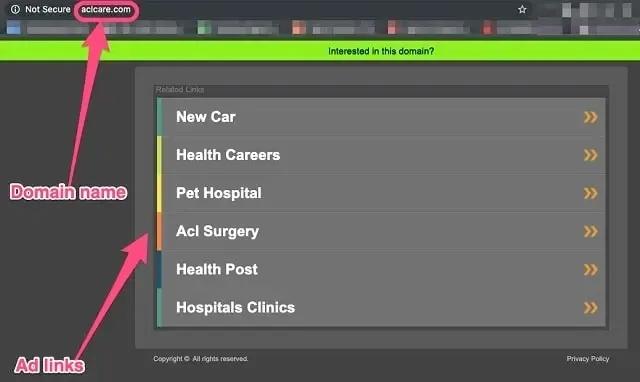
Advertisement displays fill the parked domain with ads. Owners earn small income when people click the ads. These pages might show ads related to the domain name or general topics.
Redirected domains send visitors to another website automatically. This helps direct traffic to a main site or related page. Redirects can be temporary or permanent depending on the owner’s goal.
Credit: www.godaddy.com
Risks And Security Concerns
Parked domains can be targets for phishing scams. Scammers create fake pages that look real. They trick people into giving personal details.
Malware can also spread from parked domains. Some domains may hide harmful software. Clicking links on these pages can infect your device.
Keeping parked domains safe is very important. Owners should use strong passwords and update contact info. This helps stop hackers from taking control.
Using security tools like SSL certificates and firewalls protects parked domains. These tools block harmful traffic and keep data safe.
How To Park A Domain
Domain registrars offer easy ways to park your domain. You log in to your account and find the parking option. This lets you hold your domain without building a full website.
Free parking services often show ads or simple pages. Paid services may offer custom designs or better control. Choose based on your needs and budget.
Setting up redirects sends visitors to another site. A landing page can show information or collect emails. Both help you use a parked domain wisely.

Credit: www.hostafrica.ng
Unlocking Parked Domain Value
Generating revenue with ads on parked domains is a simple way to earn money. Owners place ads on the parked page. Visitors click ads, creating income through pay-per-click programs. This method requires minimal effort but can generate steady earnings if the domain gets traffic.
Selling parked domains can bring profit. Domains with short, catchy names or popular keywords often attract buyers. Sellers list their domains on marketplaces or auction sites. Prices depend on the domain’s potential value and demand.
Leveraging SEO benefits helps improve search engine rankings. Parked domains with relevant keywords can drive traffic to main websites through redirects. This strategy supports brand awareness and increases visitors without building a full site immediately.
Common Myths About Parked Domains
Legal considerations often confuse many about parked domains. Domain parking is not illegal. It means owning a domain without an active website. Some believe parked domains can be used for fraud, but this is rare. Most parked domains show simple placeholder pages or ads.
Some think parked domains are always safe. They usually are, but caution helps. Malicious owners might use parked domains to trick visitors or spread malware. Always check a domain’s reputation before clicking links on it.
Another common myth is that parking a domain means losing control. Owners keep full rights and can use or sell the domain anytime. Parking just means the domain is not linked to a full website yet. It can be used later for projects or business purposes.

Credit: www.inmotionhosting.com
How Our Company Can Help You with Parked Domain Meaning
Practical Learning with Parked Domains
Understanding the meaning of a parked domain opens up practical learning opportunities, especially when exploring related topics like the risks and security concerns or how to park a domain effectively. For beginners and bloggers, experimenting with parking domains can provide hands-on experience in managing domain settings without immediately building a full website. It also offers a low-risk way to observe how different types of parked domain pages function, from simple placeholders to advertisement-filled pages.
From a security perspective, learning about potential risks helps users recognize safe practices and avoid common pitfalls, which aligns well with the mission of HostingAdvise to help readers choose hosting solutions confidently. Those interested can deepen their knowledge by reviewing verified user feedback and official documentation on domain parking, ensuring an evidence-based understanding.
If you have questions or want to explore domain parking in more detail, reaching out to experienced web hosting communities or technical support teams can provide valuable insights without pressure or promotion.
Frequently Asked Questions
What Is An Example Of A Parked Domain?
An example of a parked domain is “example. com” showing a “Coming Soon” page without active content or email services.
Should You Block Parked Domains?
Blocking parked domains depends on risk. Most are safe, but some may host phishing or malware. Monitor and block suspicious ones.
Is Parking A Domain A Crime?
Parking a domain is not a crime. It involves registering a domain without hosting active content. Abuse of parked domains may cause legal issues.
Can I Park My Domain For Free?
Yes, you can park your domain for free using services like ClouDNS or many domain registrars that offer free domain parking.
Conclusion
A parked domain holds a web address without active use. It often shows a simple page or ads. People park domains to protect brand names or plan future projects. Parking helps keep a domain safe until ready to build a website.
It costs little or nothing and blocks others from taking the name. Understanding parked domains helps you manage your online presence better. Keep your domain secure and use parking wisely. This way, your web address stays ready for when you need it.










Leave a comment