


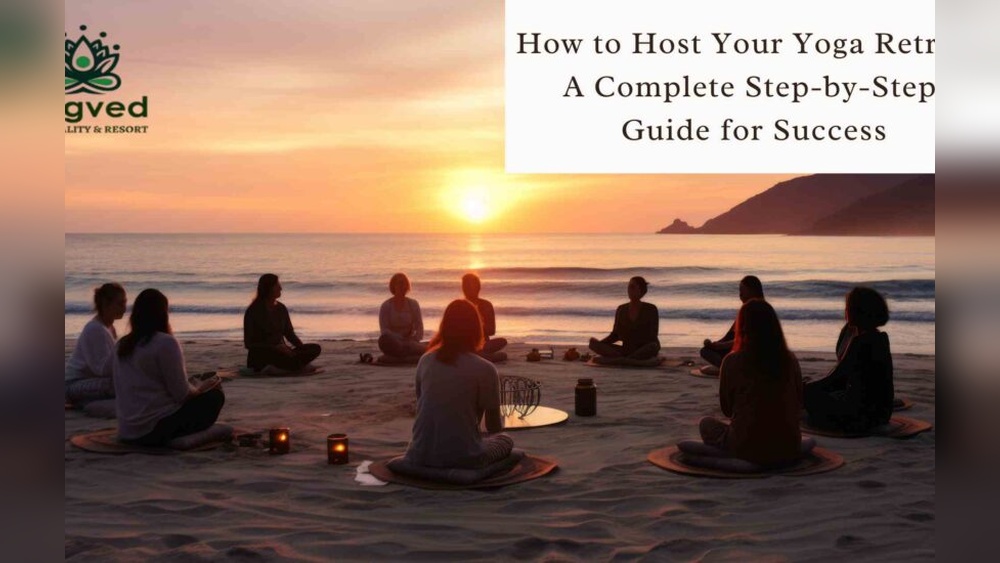
Ready to transform your home into a peaceful yoga sanctuary? Hosting a yoga retreat at home is easier than you might think—and it’s a powerful way to recharge your mind, body, and spirit without traveling far.
Whether you want to deepen your practice, connect with friends, or simply create a calm space for yourself, this guide will show you step-by-step how to design an unforgettable retreat experience right where you live. Keep reading, and discover simple tips to set the mood, plan meaningful activities, and make your home the perfect spot for relaxation and renewal.
Your ideal yoga retreat awaits!
Setting The Mood
Setting the mood is key to a successful yoga retreat at home. It helps create calm and peace. This invites everyone to relax and enjoy the experience fully. Each detail matters, from space to sounds. Thoughtful choices make your retreat feel special and soothing.
Focus on making your environment quiet and welcoming. This supports mindfulness and deep breathing. Let your home become a sanctuary for rest and healing.
Choosing A Peaceful Space
Select a quiet room or corner with little noise. A place with natural light works best. Clear away clutter to make space feel open and calm. Use soft cushions or yoga mats for comfort. A clean, tidy area helps keep the mind clear.
Creating A Relaxing Atmosphere
Use gentle lighting like candles or soft lamps. Light scents such as lavender or chamomile can help. Add plants or flowers to bring life indoors. Keep the temperature comfortable and fresh. Small touches make the room feel warm and inviting.
Selecting Calming Music
Choose soft, slow music without words. Sounds of nature like water or birds work well. Keep volume low to avoid distraction. Music should help focus and deepen relaxation. Create a playlist ahead of time for smooth flow.
Credit: liforme.com
Planning The Schedule
Planning the schedule is key to a successful yoga retreat at home. It sets the tone and guides the flow of your retreat. A well-structured schedule keeps everyone engaged and relaxed. It balances energy, rest, and connection throughout the day. Careful planning helps avoid stress and confusion.
Balancing Yoga Sessions And Breaks
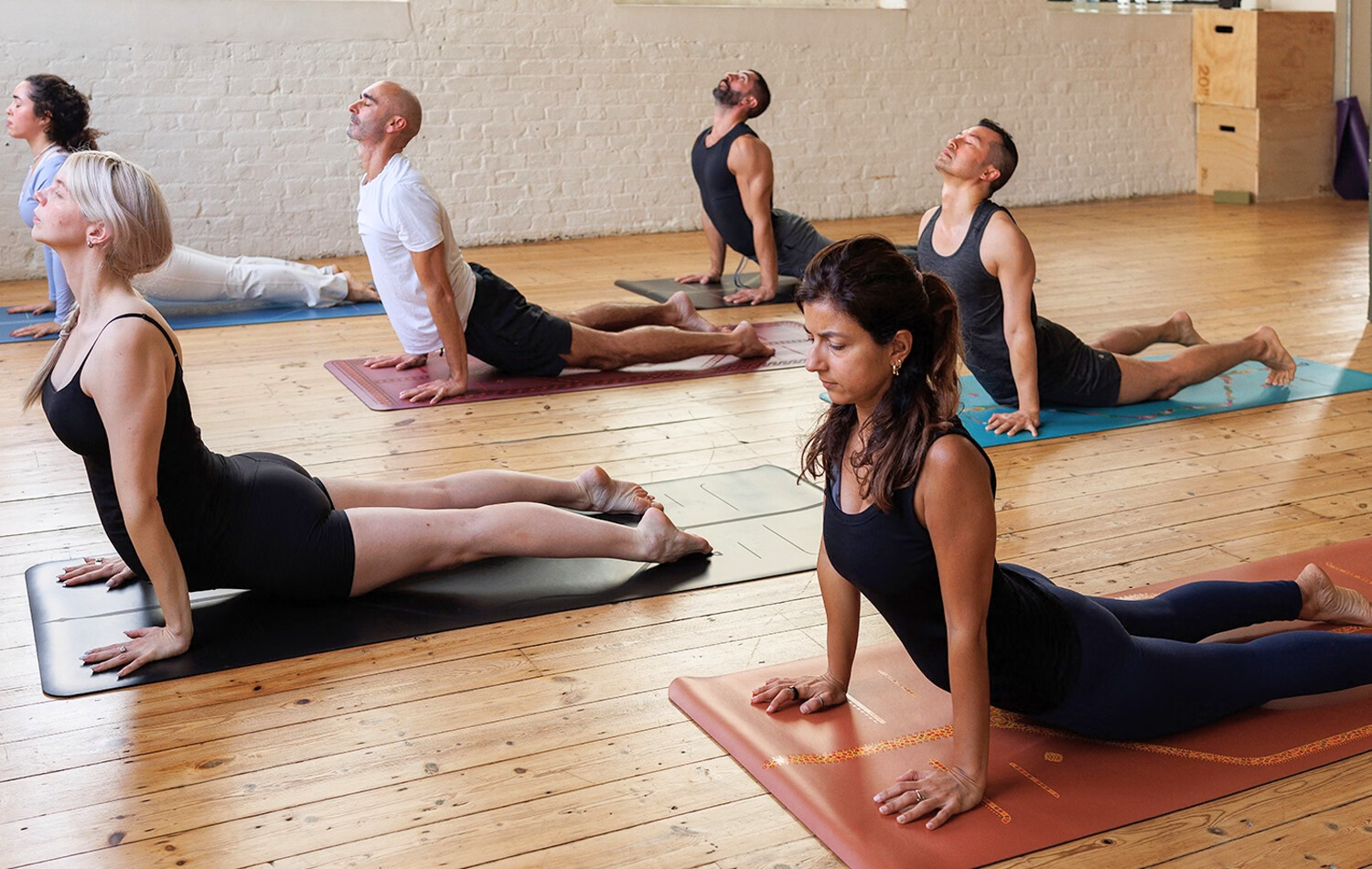
Start with gentle morning yoga to wake up the body. Follow with a more active session mid-morning to build energy. Include breaks for rest and hydration to prevent burnout. Afternoon yoga can focus on deep stretching and relaxation. Space sessions evenly to maintain a calm and steady rhythm. Rest times allow the body to absorb benefits and recharge.
Incorporating Meditation And Breathing
Include meditation sessions to quiet the mind and reduce stress. Begin or end the day with guided breathing exercises for focus. Short meditation breaks between activities help reset energy. Use simple techniques suitable for all levels. Meditation and breathing improve mindfulness and deepen yoga practice. These moments create peaceful pauses in the retreat’s flow.
Adding Creative Activities
Plan creative sessions like painting, journaling, or crafting to inspire expression. These activities complement yoga by relaxing the mind and body. Provide all necessary materials in advance to avoid interruptions. Encourage participants to explore without judgment or pressure. Creative activities foster community and personal growth. They add fun and variety to the retreat schedule.
Inviting Guests
Inviting guests is a key step in hosting a yoga retreat at home. Your guest list shapes the retreat’s energy and experience. Thoughtful invitations help set the tone and build excitement. Clear communication ensures guests know what to expect and how to prepare.
Deciding Who To Invite
Choose guests who appreciate yoga and quiet time. Consider friends or family who enjoy wellness activities. Keep the group size small for a more personal retreat. Invite those open to relaxing and learning together. Think about guests’ comfort with group settings and shared spaces.
Sending Invitations And Details
Send invitations early to give guests enough time to plan. Use simple language to explain the retreat’s purpose and schedule. Include start and end times, location, and any items to bring. Mention dress code and meal arrangements if needed. A clear invitation reduces confusion and helps guests prepare.
Creating A Group Communication
Set up a group chat for easy communication before and during the retreat. Use apps like WhatsApp or Messenger for quick updates. Share reminders, changes, or tips to enhance the experience. Encourage guests to ask questions and share their thoughts. This keeps everyone connected and informed.
Preparing For The Retreat
Preparing for your home yoga retreat is key to a smooth and relaxing experience. Thoughtful planning creates a peaceful atmosphere. It helps you enjoy each moment fully. This section covers three important areas: supplies, meals, and yoga space setup.
Gathering Supplies And Equipment
Start by collecting all yoga essentials. Include mats, blocks, straps, and blankets. Make sure each item is clean and in good condition. Consider adding candles or incense for calm scents. Have water bottles ready to stay hydrated. Gather extra towels and cushions for comfort. Prepare a speaker for soft, calming music. Check your space for good lighting and ventilation.
Planning Healthy Meals And Snacks
Choose simple, nutritious meals that energize the body. Include fresh fruits, vegetables, and whole grains. Plan light snacks like nuts, seeds, and yogurt. Avoid heavy or greasy foods to keep energy levels steady. Prepare meals in advance to save time. Keep plenty of herbal teas and water nearby. Healthy eating supports a clear mind and strong practice.
Setting Up Comfortable Yoga Areas
Select a quiet spot with enough room to move freely. Use soft rugs or mats for extra comfort. Arrange cushions or chairs for meditation or rest. Keep the area tidy and free from distractions. Add plants or natural elements to enhance calmness. Adjust lighting to be warm and gentle. This space should invite relaxation and focus.
Hosting The Retreat
Hosting the retreat at home creates a peaceful space for healing and connection. Preparing your home with care makes guests feel safe and valued. The right atmosphere helps everyone relax and enjoy the experience. Thoughtful hosting keeps the energy positive and welcoming throughout the retreat.
Welcoming Guests Warmly
Greet each guest with a smile and kind words. Offer a comfortable place for their belongings. Share the day’s plan clearly to ease any worries. Small touches like herbal tea or fresh flowers show you care. Make guests feel seen and appreciated from the start.
Leading Yoga And Meditation Sessions
Guide sessions with calm and clear instructions. Use simple language to help everyone follow along. Encourage gentle breathing and mindful movements. Adjust poses to fit each guest’s level and needs. End sessions with quiet moments for reflection and peace.
Facilitating Group Activities
Choose activities that bring the group together and inspire creativity. Keep activities light and fun to reduce stress. Prepare all materials ahead to avoid interruptions. Create a safe space where everyone feels free to share. Group time builds trust and deepens the retreat experience.
Enhancing Relaxation
Enhancing relaxation is key to a successful yoga retreat at home. Creating a calm and peaceful environment helps the body and mind unwind. This section explores simple ways to deepen relaxation for you and your guests.
Using Aromatherapy And Lighting
Aromatherapy uses scents to calm the mind and body. Essential oils like lavender, chamomile, and eucalyptus work well. Use a diffuser or place scented candles around the space.
Soft lighting adds warmth and comfort. Choose dimmable lamps or fairy lights to create a gentle glow. Avoid harsh overhead lights that can feel stressful.
Offering Mindfulness Exercises
Mindfulness exercises focus attention on the present moment. Guided breathing or body scan meditations help reduce stress. Encourage gentle awareness during yoga sessions and breaks.
Keep exercises short and simple. This invites everyone to join without feeling overwhelmed. Mindfulness deepens the sense of calm and presence.
Encouraging Digital Detox
Phones and screens often distract from relaxation. Suggest a digital detox during the retreat hours. This allows everyone to fully engage with the experience.
Provide a basket or box for guests to store devices. Without digital interruptions, the mind can rest more deeply. This small step enhances focus and peace.
Handling Logistics
Handling logistics is key to a smooth yoga retreat at home. It keeps the experience calm and enjoyable for everyone. Planning well helps avoid stress and keeps the day flowing naturally. Focus on time management, guest comfort, and a tidy space.
Managing Time And Transitions
Create a clear schedule for each activity. Allow enough time for yoga, meals, and breaks. Use gentle reminders to signal transitions between sessions. Keep activities on track but stay flexible. Smooth transitions help guests stay relaxed and focused.
Addressing Guest Needs
Ask guests about any special needs or preferences. Provide options for different skill levels in yoga sessions. Have water, snacks, and cozy spots ready. Check in with guests often to ensure comfort. Being attentive makes everyone feel welcome and cared for.
Keeping The Space Clean And Organized
Clear clutter before the retreat begins. Arrange mats and props neatly and accessibly. Clean surfaces regularly during the day. Set up a designated area for guests’ belongings. A clean, organized space creates calm and supports mindfulness.
Adding Personal Touches
Adding personal touches makes your home yoga retreat unique and memorable. It helps create a warm, inviting space that feels special. Small details can change the entire retreat experience. Personalization shows care and thoughtfulness to your guests. It also sets the tone and mood for the retreat. Focus on simple ways to add meaning and charm.
Creating Custom Retreat Themes
Choose a theme that reflects your style or goals. Themes give your retreat a clear focus and purpose. Examples include mindfulness, self-care, or nature connection. Use colors, decorations, and music that match the theme. Plan yoga sessions and activities around the chosen theme. Themes help guests feel connected and inspired throughout the retreat.
Incorporating Local Or Seasonal Elements
Use what is special about your location or season. Include local flowers, herbs, or foods in your setup. Seasonal elements like pumpkins in fall or fresh fruits in summer add freshness. Play local music or invite a local artist for a workshop. These touches create a sense of place and time. They also make your retreat feel grounded and authentic.
Sharing Inspirational Materials
Provide guests with quotes, books, or guided meditations. Choose materials that support relaxation and growth. You can print beautiful quotes or share digital resources. Include simple journal prompts for self-reflection. These materials encourage deeper connection to the practice. They offer ongoing inspiration beyond the retreat days.
Following Up After Retreat
Following up after your home yoga retreat is essential. It helps maintain connections and improves future events. Thoughtful follow-up shows you care about your guests’ experience. It also encourages them to join your next retreat.
Gathering Feedback From Guests
Ask guests to share their honest thoughts. Use simple surveys or direct messages. Focus on what they enjoyed and what could improve. Feedback helps you understand guests’ needs better. It also shows you value their opinions.
Sharing Photos And Memories
Collect photos taken during the retreat. Share them in a group chat or email. Highlight fun moments and relaxing times. This creates a sense of community and joy. Guests will remember the retreat fondly and feel connected.
Planning Future Retreats
Use feedback and memories to plan new retreats. Think about what worked and what to change. Set dates and share them early with your guests. Keep improving the experience for everyone. This keeps your retreats fresh and exciting.

Credit: www.byronyoga.com

Credit: www.yogvedhotel.in
How Our Company Can Help You with How to Host a Yoga Retreat at Home Guide
When considering how to host a yoga retreat at home, practical learning opportunities arise naturally from the process. For example, setting the mood is more than just lighting candles—it’s about understanding the atmosphere that best supports relaxation and mindfulness. Planning the schedule offers a chance to balance different yoga styles and meditation sessions, which can deepen your knowledge of yoga’s diverse practices. Additionally, preparing for the retreat encourages you to explore essential logistics, from space arrangement to equipment needs, which parallels the organizational skills needed in many digital projects. Drawing from HostingAdvise’s research-driven approach, treating your retreat like a well-structured project helps ensure smooth execution. If you find yourself needing extra guidance, consulting resources that specialize in hosting and event planning can be invaluable. Remember, hosting a retreat is as much about learning and adapting as it is about sharing wellness with others.
Frequently Asked Questions
How To Host Your Own Yoga Retreat?
Choose a peaceful location and set clear intentions. Plan yoga sessions, meals, and relaxation activities. Invite participants and promote your retreat. Prepare materials and create a welcoming atmosphere. Ensure safety and provide guidance throughout the retreat.
How Much Do You Make Hosting A Yoga Retreat?
Hosting a yoga retreat can earn $1,000 to $10,000+ per event, depending on location, pricing, and group size.
Do You Need A License To Host A Retreat?
You may need a license to host a retreat depending on local laws and the event’s size. Check city and state regulations carefully.
How Much Does A Typical Yoga Retreat Cost?
A typical yoga retreat costs between $500 and $2,500, depending on location, duration, and included amenities.
Conclusion
Hosting a yoga retreat at home brings peace and joy to your life. You create a calm space for rest and healing. Planning simple activities helps everyone feel connected and relaxed. Invite friends or family to share the experience with you.
Keep your retreat easy and fun to enjoy fully. Embrace the calm and balance that yoga offers. Your home can become a place of wellness and growth. Start small, and watch your retreat bring calm to all involved.














Leave a comment