



Looking for the best shared hosting plan can feel overwhelming with so many options out there. But finding the right host is crucial to keep your website fast, secure, and reliable.
Whether you’re just starting your first blog or launching a small business site, your choice of shared hosting will directly affect your site’s performance and your peace of mind. This guide breaks down everything you need to know about the top shared hosting plans, helping you make a smart decision without the confusion.
By the end, you’ll know exactly which plan fits your needs and how to get the best deal—so your website can shine online from day one. Keep reading to unlock the secrets to hassle-free hosting!
Shared Hosting Basics
Understanding the basics of shared hosting is key for anyone starting a website. This type of hosting stores many websites on one server. It keeps costs low and makes website management simple.
Shared hosting is a popular choice for beginners and small businesses. It offers enough resources to support basic website needs. This section explains what shared hosting is, who should use it, and its advantages and disadvantages.
What Is Shared Hosting
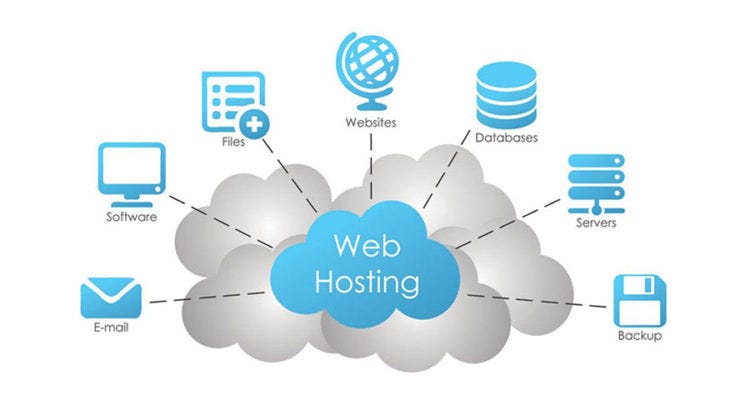
Shared hosting means many websites share one server’s resources. These resources include memory, processing power, and storage. Each website has a portion of the server but shares the same space. This setup reduces costs and maintenance needs.
It is different from dedicated hosting, where one website has an entire server. Shared hosting is ideal for sites with moderate traffic and simple features.
Who Should Use Shared Hosting
Shared hosting suits individuals, bloggers, and small businesses. It fits those who want a budget-friendly option. Users who do not need complex server settings will benefit most.
It works well for new websites and those with low to medium traffic. People who prefer easy setup and management will find shared hosting convenient.
Pros And Cons
Pros include low cost and user-friendly management tools. Hosting providers often offer one-click installations and support. Shared hosting also requires less technical knowledge.
Cons include limited server resources and less control over settings. Websites may slow down if other sites on the server use too many resources. Security risks can be higher since sites share the same server.
Key Features To Look For
Choosing the right shared hosting plan means knowing what matters most. Key features affect your website’s speed, security, and overall experience. Focus on these essentials to make a smart choice. Each factor plays a role in how well your site performs and stays protected.
Performance And Speed
Fast loading times keep visitors happy and engaged. Look for hosting with solid server hardware and good bandwidth. Shared hosting can slow down if many sites share resources. Choose a provider that balances load well to avoid delays.
Uptime And Reliability
Your website must stay online almost all the time. Check for a host with at least 99.9% uptime guarantee. Downtime means lost visitors and potential sales. Reliable hosting ensures your site is accessible day and night.
Customer Support
Good support helps solve issues quickly. Find a host with 24/7 customer service via chat, phone, or email. Friendly and knowledgeable staff make a big difference. Fast help reduces website downtime and stress.
Security Measures
Security keeps your site safe from hackers and malware. Essential features include SSL certificates, firewalls, and regular backups. Some hosts offer malware scanning and removal. These protections guard your data and visitors’ trust.
Pricing And Renewal Fees
Initial costs might be low but check renewal rates too. Some hosts increase prices after the first term. Compare plans to find one with fair, transparent pricing. Balance cost with features to get the best value.
Top Shared Hosting Providers
Choosing the right shared hosting provider is key to your website’s success. Reliable hosting ensures your site loads quickly and stays online. Many providers offer shared hosting, but quality and features vary greatly.
This section highlights the top shared hosting providers. Each one stands out for unique reasons. Find the best fit for your needs and budget.
Hostinger: Best Overall Value
Hostinger offers excellent performance at a low price. It provides a user-friendly control panel and solid uptime. Ideal for small to medium websites. Hostinger includes free SSL and daily backups. Customer support is responsive and helpful.
Bluehost: Best For Beginners
Bluehost is easy to use for first-time website owners. It features a simple setup and one-click WordPress installation. Bluehost includes a free domain for the first year. The support team is available 24/7 to guide new users. It balances ease and features well.
Siteground: Best Performance And Support
SiteGround is known for fast website loading times. It uses advanced caching and SSD storage. The support team is knowledgeable and quick to respond. SiteGround offers daily backups and strong security. Perfect for those who want reliable performance and expert help.
Inmotion Hosting: Fast And Flexible
InMotion Hosting delivers fast speeds with its optimized servers. It offers flexible plans that scale as your site grows. Free website migration is available. InMotion’s customer support is friendly and skilled. A solid choice for growing websites needing speed and adaptability.
Greengeeks: Eco-friendly Option
GreenGeeks focuses on environmentally friendly hosting. It uses renewable energy to power its servers. GreenGeeks offers good speed and uptime. Features include free CDN and nightly backups. Ideal for users who want to reduce their carbon footprint.
Ionos: Affordable And Scalable
IONOS provides budget-friendly plans with scalable resources. It offers a custom control panel and 24/7 support. IONOS includes a free domain and SSL certificate. Suitable for small businesses and beginners needing room to grow.
Credit: medium.com
Comparing Plans And Features
Choosing the right shared hosting plan means comparing key features carefully. Each plan offers different limits, tools, and services. Understanding these differences helps pick the best option for your site’s needs. This section breaks down the most important plan features.
Storage And Bandwidth Limits
Storage is the space your website files use on the server. Bandwidth measures the amount of data your site can send to visitors each month. Plans with low storage or bandwidth may slow your site or cause extra fees. Check these limits before buying a plan to avoid surprises.
Control Panel Options
The control panel lets you manage your hosting account and website easily. Popular panels include cPanel and Plesk. Some hosts offer custom panels with simple interfaces. Choose a plan with a control panel that suits your skills and makes site management easy.
Email And Domain Services
Many shared hosting plans include email accounts linked to your domain. Some also offer free domain registration or transfer. Email features vary, such as the number of accounts and storage size. Check if the plan supports your email needs and domain services to keep everything in one place.
Backup And Restore Options
Backups protect your website data from loss or damage. Some hosts provide automatic daily backups. Others require manual backups or extra fees for restoration. Choose a plan with reliable backup and restore features to keep your site safe and recover quickly from issues.
How To Choose The Right Plan
Choosing the right shared hosting plan can make a big difference in your website’s success. The right plan fits your needs, stays within budget, and matches your technical skills. This section breaks down key factors to consider. It helps you pick a plan that supports your site’s goals without extra costs or hassle.
Assessing Your Website Needs
Start by thinking about your website’s purpose. Is it a blog, portfolio, or online store? Different types of sites need different features. For example, an online store needs more storage and security. Check if the plan offers enough disk space and email accounts. Also, look for useful extras like backups and SSL certificates.
Evaluating Traffic Expectations
Traffic means the number of visitors your site gets. Low traffic sites need fewer resources. If you expect many visitors, choose a plan with higher bandwidth. Some plans limit monthly visitors or slow down sites during traffic spikes. Plans with scalable resources help your site grow without issues.
Considering Technical Skills
Shared hosting is often for beginners. Some plans include easy control panels like cPanel or custom dashboards. These tools simplify managing your site and email. If you have little technical knowledge, choose a plan with good customer support and user-friendly features. Advanced users might want more control over settings and software.
Budget Considerations
Shared hosting plans vary in price. Find one that fits your budget but still meets your needs. Cheaper plans may have fewer features or slower speeds. Consider long-term costs, including renewal rates. Balance price with reliability and support quality. Avoid plans that seem too cheap to be true.
Tips For Getting The Best Deals
Finding the best shared hosting plan means balancing cost with features. Smart buying saves money and ensures good service. Use these tips to spot the best deals and get more value.
Seasonal Discounts And Promotions
Hosting companies often offer big discounts during holidays and special events. Watch for sales around Black Friday, Cyber Monday, and New Year. Signing up during these times can cut your costs significantly. Check hosting sites regularly to catch these limited-time offers.
Using Coupon Codes
Coupon codes lower prices instantly at checkout. Search for valid coupons online before buying. Many hosting providers list exclusive codes on affiliate sites or newsletters. Enter the code carefully to get the discount. Combining coupons with sales can save even more.
Long-term Vs Short-term Plans
Choosing between long and short-term plans affects your budget. Long-term plans usually have lower monthly rates but require upfront payment. Short-term plans cost more but offer flexibility. Consider your budget and commitment level. Pick the plan that matches your needs for the best value.
Common Shared Hosting Issues
Shared hosting is a popular choice for many website owners due to its low cost and ease of use. Yet, it comes with some common issues that can affect your website’s performance and security. Understanding these problems helps in making better decisions and managing your site efficiently.
Resource Limitations
In shared hosting, server resources like CPU, RAM, and bandwidth are divided among many users. This sharing can lead to limits on how much your website can use. During high traffic times, your site may slow down or become temporarily unavailable. Resource limits can also restrict the number of visitors your site can handle smoothly.
Security Risks
Sharing a server means sharing the same environment with other websites. If one site gets hacked, others on the server might be at risk too. Weak security on one website can lead to malware spreading. This makes shared hosting less secure than dedicated hosting options. Regular security checks and updates are essential to protect your site.
Performance Bottlenecks
Because many sites use the same server, performance can vary. Heavy resource use by one website can slow down others. This leads to slower page loading and poor user experience. Performance bottlenecks may cause your visitors to leave and harm your search engine rankings.
How To Mitigate Problems
Choose a reputable hosting provider with good resource management policies. Monitor your website’s traffic and upgrade your plan if needed. Use security plugins and keep your site software updated. Regular backups protect your data in case of attacks. Optimize your website to reduce server load, such as compressing images and using caching. These steps help reduce common shared hosting issues and keep your site running smoothly.

Credit: cloudminister.com
Upgrading Beyond Shared Hosting
Shared hosting suits small websites with low traffic and simple needs. As your website grows, shared hosting may not keep up. Upgrading beyond shared hosting offers more power, control, and speed.
Choosing the right upgrade depends on your website’s size, traffic, and technical needs. This section explains when to move on and what options exist.
When To Consider Vps Or Dedicated Hosting
VPS hosting gives more resources and control than shared hosting. You get a virtual server with dedicated memory and CPU. This helps if your site grows or needs special software.
Dedicated hosting means renting a whole server for your site. It suits large sites with high traffic or custom setups. You get full control but pay more and manage the server yourself.
Managed Hosting Options
Managed hosting means the provider handles server tasks like updates and backups. It suits users who want less technical work and more support. Managed plans are available for VPS and dedicated servers.
This option reduces your workload and improves security. It helps if you want to focus on your website, not server management.
Cloud Hosting Alternatives
Cloud hosting uses multiple servers to host your site. It offers great flexibility and can handle traffic spikes well. You pay for what you use, which can save money for some sites.
Cloud hosting is ideal for growing websites that need reliable uptime and scalability. It often includes easy tools to manage and scale resources quickly.

Credit: www.internethosting.us
How Our Company Can Help You with A Comprehensive Guide to the Best Shared Hosting Plans
Practical Steps to Deepen Your Understanding of Shared Hosting
Now that you’ve explored the essentials—such as shared hosting basics, key features to look for, and how to compare plans—it’s valuable to translate that knowledge into practical learning experiences. One effective approach is to experiment with a beginner-friendly shared hosting plan yourself. This hands-on practice allows you to navigate control panels, understand resource limitations, and recognize common issues firsthand. It also reinforces insights from the sections on common shared hosting issues and upgrading beyond shared hosting.
Additionally, consider reviewing independent user feedback and official documentation, as these resources complement your learning by offering real-world perspectives and technical details. HostingAdvise’s balanced, evidence-based reviews can serve as a reliable reference during this process, helping you assess pros and cons without bias.
If you encounter questions along the way, reaching out to hosting providers’ support or consulting forums can provide practical solutions and deepen your understanding. This approach supports a confident, informed decision-making process aligned with your website’s needs and growth plans.
Frequently Asked Questions
What Is The Best Shared Hosting Provider?
SiteGround and Hostinger rank as the best shared hosting providers for performance, support, and value. Both offer fast, reliable services with excellent customer support. Choose SiteGround for superior support and Hostinger for the best overall value.
What Are The 4 Types Of Hosting?
The four types of hosting are shared, VPS (Virtual Private Server), dedicated, and cloud hosting. Each offers different control, performance, and pricing options.
Which Hosting Plan Is Best?
The best hosting plan depends on your needs. Shared hosting suits beginners; VPS offers more control and power. Dedicated plans provide top performance for large sites. Choose based on budget, website size, and traffic expectations. Popular choices include Hostinger for value and SiteGround for performance.
What Are The Disadvantages Of Shared Hosting?
Shared hosting offers limited resources, causing slower performance during peak times. It provides less control over server settings and software. Security risks increase due to shared environments. Scalability is limited, making it unsuitable for high-traffic websites. Users may face restrictions on customization and installed applications.
Conclusion
Choosing the right shared hosting plan can boost your website’s success. Focus on features that match your needs and budget. Reliable speed, good support, and easy setup matter most. Compare plans carefully before deciding. This guide helps you make an informed choice.
Start your website with confidence today.












Leave a comment