


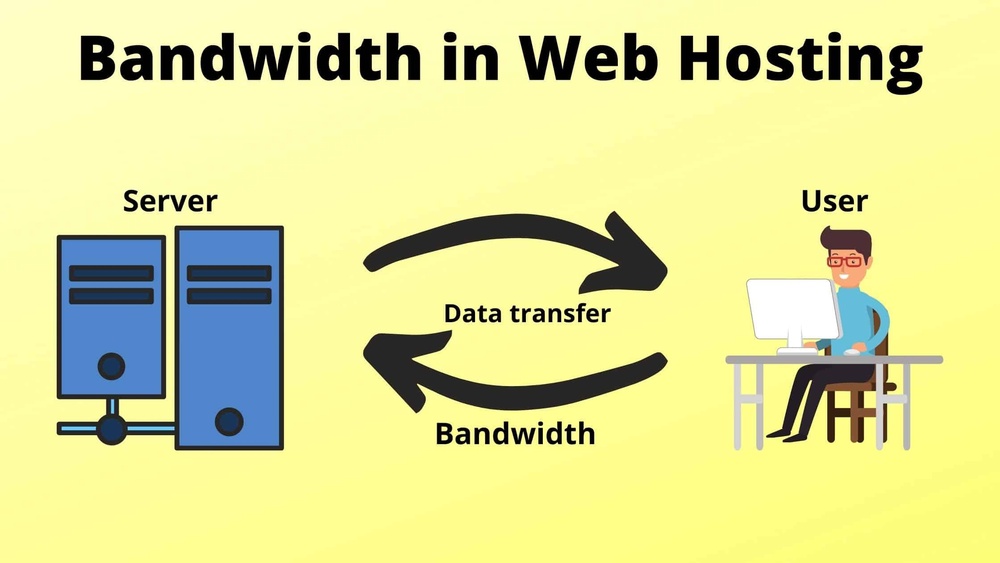
Are you wondering what bandwidth really means for your website? Understanding bandwidth in web hosting is key to making sure your site runs smoothly and loads quickly for every visitor.
If your website suddenly slows down or crashes, it might be because your bandwidth isn’t enough to handle the traffic. You’ll discover exactly what bandwidth is, why it matters for your site’s performance, and how to choose the right amount for your needs.
Keep reading to unlock the secrets that can keep your website fast, reliable, and ready for any visitor.
Bandwidth Basics
Understanding bandwidth is key for managing your website effectively. Bandwidth affects how much data your site can send to visitors. It impacts site speed, user experience, and hosting costs. Let’s explore the basics of bandwidth in web hosting.
Data Transfer Defined
Data transfer means the total amount of data sent from your website to users. This includes images, text, videos, and other files. Every time someone visits your site, data moves from the server to their device. The more visitors or content you have, the higher the data transfer.
Bandwidth Vs. Disk Space
Bandwidth and disk space are not the same. Disk space is how much data your website can store on the server. Bandwidth is the amount of data your site can send out to visitors. You might have plenty of storage but limited bandwidth, which can slow down or block access.
Why Bandwidth Matters
Bandwidth controls your site’s ability to handle traffic smoothly. If bandwidth is too low, visitors may experience slow loading or errors. Higher bandwidth supports more visitors and faster data delivery. Choosing the right bandwidth helps maintain a reliable and fast website.
How Bandwidth Works
Understanding how bandwidth works helps you manage your website better. Bandwidth is about moving data from your server to visitors. It controls how much information travels at one time. Knowing this flow keeps your site fast and reliable.
Data Flow Between Server And User
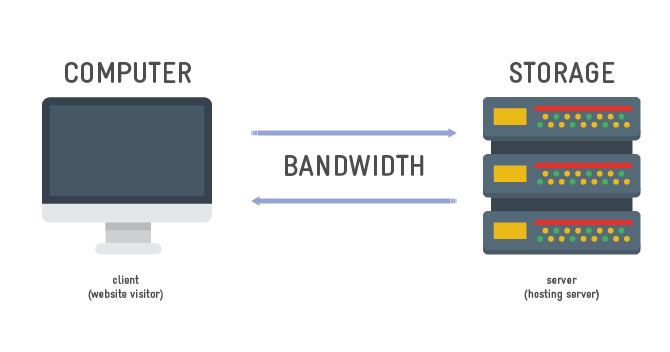
Bandwidth is the path data takes between the server and user. When someone visits your website, data moves from the server to their device. This includes images, videos, and text.
More visitors or larger files use more bandwidth. The server sends data in small packets. These packets travel through the internet to the user’s browser. The speed and size of this flow affect website performance.
Measuring Bandwidth
Bandwidth measures the amount of data transferred over time. It shows how much information your website sends and receives. Hosting providers track bandwidth to ensure limits are not exceeded.
If your site reaches its bandwidth limit, visitors may see errors or slow loading. Monitoring bandwidth helps avoid downtime. It also helps plan for website growth and traffic spikes.
Common Bandwidth Units
Bandwidth is usually measured in bits or bytes per second. Common units include Kbps, Mbps, and Gbps. Kbps means kilobits per second, Mbps means megabits per second, and Gbps means gigabits per second.
Bits are smaller than bytes. Eight bits equal one byte. Hosting plans often list bandwidth in gigabytes per month. This shows the total data allowed in a month. Understanding these units helps you choose the right hosting plan.
Types Of Bandwidth
Bandwidth in web hosting comes in different types. Each type controls how much data your website can send to visitors. Understanding the types helps you choose the right hosting plan. It also prevents unexpected charges or slowdowns.
Unmetered Bandwidth
Unmetered bandwidth means no set limit on data transfer. You can send as much data as your server allows. The speed may be capped, but usage is not tracked. This type suits sites with steady, high traffic.
Metered Bandwidth
Metered bandwidth has a fixed data limit per month. Hosting providers track your usage carefully. Exceeding the limit may cause extra fees or slow speeds. This type fits small websites with low to medium traffic.
Burst Bandwidth
Burst bandwidth allows temporary data usage above your plan limit. It helps handle sudden traffic spikes smoothly. After the burst, usage returns to normal limits. This type is useful for sites with unpredictable traffic.

Credit: www.bitcatcha.com
Bandwidth In Hosting Plans
Bandwidth is a key factor in choosing the right hosting plan for your website. It determines how much data your site can send to visitors over time. Different hosting types offer different bandwidth limits and options. Understanding these helps you avoid slowdowns or extra charges.
Each hosting plan varies in bandwidth allocation based on its design and intended use. Let’s look at the common hosting types and their bandwidth features.
Shared Hosting Bandwidth Limits
Shared hosting usually comes with fixed bandwidth limits. These limits are shared among all users on the same server. The bandwidth offered is often enough for small websites or blogs. If your site gets many visitors, you might reach the bandwidth limit quickly. Exceeding it can slow down your website or cause extra fees.
Vps And Dedicated Server Bandwidth
VPS and dedicated servers provide higher bandwidth than shared hosting. VPS hosting offers a reserved portion of server resources, including bandwidth. Dedicated servers give you full control and larger bandwidth limits. These options suit growing websites with more traffic. They reduce the risk of bandwidth shortages and slowdowns.
Cloud Hosting Bandwidth Options
Cloud hosting offers flexible bandwidth options that scale with your needs. It uses multiple servers to handle traffic spikes smoothly. You pay based on the bandwidth you use, which can save money during low traffic periods. This option works well for websites with unpredictable or rapidly changing visitor numbers.
Estimating Bandwidth Needs
Estimating bandwidth needs helps ensure your website runs smoothly without interruptions. Understanding your site’s data transfer requirements avoids slow loading or unexpected extra fees. Consider several factors to calculate the right bandwidth for your web hosting plan.
Traffic Volume Impact
The number of visitors directly affects bandwidth use. More visitors mean more data sent from the server. Each page view, image, or download uses bandwidth. Estimating average daily visitors helps predict total monthly data transfer. Track visitor spikes to avoid bandwidth shortages during busy times.
Content Type Considerations
Different content types consume different bandwidth amounts. Text-heavy pages use less bandwidth than video or audio files. High-resolution images and downloads require more data transfer. Streaming media demands significant bandwidth to maintain quality. Choose hosting plans that match your content’s data needs.
Growth And Scalability
Plan for future website growth to prevent issues. As traffic and content increase, bandwidth needs rise. Select hosting with scalable bandwidth options to handle expansion. Monitor usage regularly and upgrade before limits cause slowdowns or downtime. A flexible plan supports long-term website success.

Credit: kripeshadwani.com
Managing Bandwidth Usage
Managing bandwidth usage is crucial for any website owner. Bandwidth limits the data your site can send to visitors. Exceeding this limit can cause slow loading or downtime. Efficient bandwidth management improves user experience and reduces hosting costs. Use practical methods to keep bandwidth use in check.
Optimizing Images And Media
Large images and media files consume a lot of bandwidth. Compress images to reduce file size without losing quality. Use modern formats like WebP for better compression. Resize images to fit the display size on your site. Avoid auto-playing videos that use extra data. Optimize media files to speed up your website and save bandwidth.
Caching Strategies
Caching stores copies of your web pages on visitors’ devices. It reduces the need to reload the entire page every time. Use browser caching to save static files on user devices. Server-side caching stores frequently accessed data on the server. Caching lowers bandwidth use by serving stored content faster. Implement caching to enhance speed and reduce data transfer.
Content Delivery Networks (cdns)
CDNs distribute your website content across multiple servers worldwide. Visitors load data from the nearest server, reducing distance and delay. This lowers bandwidth consumption on your main hosting server. CDNs also help handle traffic spikes without slowing down your site. Use a CDN to improve website speed and optimize bandwidth usage effectively.
Consequences Of Exceeding Bandwidth
Exceeding your website’s bandwidth limit can cause serious problems. It affects how your site runs and how visitors experience it. Understanding these consequences helps you manage your hosting plan wisely.
Overage Fees
Many hosting providers charge extra fees if you go over your bandwidth limit. These fees can add up fast. They increase your monthly bill unexpectedly. This makes budgeting for your website more difficult.
Website Downtime
Some hosts may temporarily shut down your site after exceeding bandwidth. Your visitors will see error messages or a blank page. This downtime harms your site’s reputation. It can lead to lost sales and fewer visitors.
Performance Issues
High bandwidth use can slow down your website. Pages take longer to load. Visitors might leave before your site appears. Slow speed also affects search engine rankings. Keeping bandwidth within limits helps maintain good performance.
Credit: www.digitalpacific.com.au
Tips For Selecting Hosting Bandwidth
Selecting the right hosting bandwidth is key for your website’s smooth performance. Too little bandwidth can slow down your site. Too much may cost extra without benefit. Use these tips to find the right balance.
Assessing Your Website Needs
Start by understanding your website type. A blog with few images uses less bandwidth. An online store or video site needs more. Check your current traffic and data use. Estimate how many visitors you expect. Consider the size of your files and pages. This helps pick a plan that fits your needs.
Reading Hosting Terms
Look closely at the hosting provider’s bandwidth policy. Some plans have limits, others offer unlimited bandwidth. Know what “unlimited” really means; there may be fair use rules. Check for extra fees if you exceed your bandwidth. Understand how bandwidth is measured, usually in gigabytes or terabytes.
Future-proofing Your Plan
Choose a plan that can grow with your site. Traffic may increase over time. Your content might get bigger or more interactive. Select bandwidth with room to expand. This avoids downtime or slow loading later. Upgrading should be easy and affordable.
How Our Company Can Help You with What Is Bandwidth in Web Hosting?
Practical Learning Opportunities with Bandwidth in Web Hosting
Understanding bandwidth goes beyond just knowing the basics or types—it’s about applying that knowledge to real-world scenarios. For example, estimating bandwidth needs accurately helps avoid unexpected overages and ensures your website runs smoothly during traffic spikes. Managing bandwidth usage effectively can also improve site performance and user experience.
One practical way to deepen your understanding is by monitoring your hosting plan’s bandwidth consumption over time. This hands-on approach complements theoretical knowledge about how bandwidth works and its role in hosting plans. Tools and analytics provided by many hosting providers can offer insights into your actual usage patterns.
At HostingAdvise, research and verified user feedback form the foundation of clear, evidence-based advice. If you want to explore bandwidth management techniques or troubleshoot issues, reaching out to community forums or support teams can be invaluable. Keeping a friendly, informed perspective helps you choose and manage hosting bandwidth with confidence.
Frequently Asked Questions
Is 50 Gb Bandwidth Enough For A Website?
50 GB bandwidth suits small websites with low traffic and limited media. High-traffic or media-rich sites need more bandwidth. Monitor usage to avoid overage fees.
Is It Better To Have High Or Low Bandwidth?
High bandwidth is better for faster data transfer and handling more visitors. Low bandwidth may slow your site and limit traffic capacity. Choose bandwidth based on your website’s size, traffic, and content needs to ensure optimal performance and user experience.
Is 10 Gb Bandwidth Enough For A Website?
10 GB bandwidth suits small websites with low traffic and minimal media content. Larger sites need more bandwidth to avoid slowdowns or extra charges.
What Is The Bandwidth Of A Website Hosting?
Website hosting bandwidth is the maximum data your site can transfer to users within a set time, usually monthly. It affects site speed and visitor experience.
Conclusion
Bandwidth controls how much data your website can send to visitors. Choosing the right bandwidth keeps your site fast and reliable. Too little bandwidth may slow down or block users. Too much bandwidth can cost extra without benefit. Monitor your website’s traffic to find the best plan.
Understanding bandwidth helps you keep your site running smoothly. It’s a key part of web hosting every site owner should know.











Leave a comment