


Choosing the best hosting for your personal blog can feel overwhelming. You want your blog to load fast, stay online without interruptions, and be easy to manage.
But with so many options out there, how do you pick the right one for your needs? This guide will help you cut through the noise and find the perfect hosting solution that fits your goals, budget, and technical comfort.
Whether you’re just starting out or ready to upgrade, you’ll discover clear, practical advice to make your blog shine. Keep reading to unlock the secret to a smooth, successful blogging experience tailored just for you.
Top Hosting Choices
Choosing the right hosting platform is key to starting a personal blog. Each option offers unique features. Some give full control, others simplify the process. Consider your needs and technical skills before deciding. Below are popular hosting choices for personal bloggers.
WordPress.org Features
WordPress.org lets you own your blog completely. You get full control over design and content. Thousands of free themes and plugins enhance your site. You must buy hosting and a domain separately. It suits bloggers who want flexibility and growth options. Updates and backups are your responsibility.
WordPress.com Benefits
WordPress.com hosts your blog for you. It offers free and paid plans with easy setup. No need to manage technical details like hosting or security. Limited customization compared to WordPress.org. Ideal for beginners who want a quick blog start. Paid plans unlock more design and monetization options.
Substack For Writers
Substack combines blogging with email newsletters. It helps writers build and engage an audience via email. Easy to use with no hosting needed. Monetization is possible through paid subscriptions. Great for authors focusing on direct communication with readers. Minimal setup and maintenance required.
Medium’s Built-in Audience
Medium offers a ready-made community of readers. You write, and your posts reach a broad audience easily. No technical setup or hosting costs. Limited control over design and monetization. Good choice for casual bloggers and those who want to focus on writing. Partner program pays based on reader engagement.
Wix And Squarespace Options
Wix and Squarespace provide all-in-one website builders. They include hosting, templates, and drag-and-drop editors. Easy for beginners to create visually appealing blogs. Monthly fees cover hosting and support. Limited backend access and plugin options. Best for users wanting simple setup and design freedom.
Blogger And Other Free Platforms
Blogger is a free, simple platform owned by Google. It offers basic blogging tools and free hosting. Limited customization and features compared to paid hosts. Other free platforms may have similar limits. Suitable for casual bloggers or hobbyists. Great for starting without any cost.

Credit: www.bluehost.com
Hosting Types Explained
Choosing the right hosting type is key for a smooth personal blog. Hosting controls how your blog appears online and how fast it loads. Understanding each hosting type helps pick the best fit for your needs.
Each hosting type offers different features and costs. Some are easy for beginners, while others suit advanced users. Explore these common hosting types below.
Shared Hosting
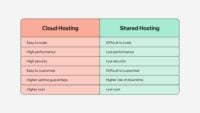
Shared hosting is the most affordable option. Multiple websites share one server and its resources. This keeps costs low but may slow your site if others use too much space. It is simple and good for small blogs with low traffic.
Dedicated Hosting
Dedicated hosting gives you a whole server just for your blog. You get full control and better performance. It is more expensive and needs technical skills to manage. Ideal for blogs with high traffic and special needs.
Cloud Hosting
Cloud hosting uses many servers connected together. Your blog uses resources from this network, making it very flexible and reliable. It can handle sudden traffic spikes well. Pricing varies by usage, so it can be cost-effective.
Managed WordPress Hosting
Managed WordPress hosting is designed for WordPress blogs. The host handles updates, security, and backups for you. This saves time and reduces technical work. It often includes faster loading speeds and better support.
Key Hosting Factors
Choosing the right hosting is vital for a personal blog. It affects how fast your site loads, how often it stays online, and how easy it is to manage. These key hosting factors help you pick a provider that fits your needs and budget. Understanding these elements makes your blog run smoothly and look professional.
Speed And Uptime
Fast loading times keep visitors happy and reduce bounce rates. Hosting with strong uptime ensures your blog is available almost all the time. Look for hosts offering at least 99.9% uptime. Speed depends on server quality and location, so choose a host with servers near your audience.
Ease Of Use
A simple control panel saves time and effort. Good hosts offer one-click installs for popular blogging software. Clear dashboards help you manage your site without tech skills. Easy setup gets your blog running faster and reduces frustration.
Customization Options
Flexible hosting lets you personalize your blog’s look and features. Support for popular platforms like WordPress expands design choices. Access to plugins and themes helps you add tools and style. Check if the host allows full control over your files and databases.
Customer Support
Responsive support solves problems quickly. Look for 24/7 availability via chat, phone, or email. Helpful guides and tutorials are a bonus. Good support keeps your blog live and secure, especially if you are new to hosting.
Pricing And Plans
Choose a plan that fits your budget and blog size. Starter plans are cheaper but may limit resources. Upgradable plans let you grow without moving hosts. Watch for hidden fees and renewal prices. Transparent pricing avoids surprises.
Choosing Based On Goals
Choosing the best hosting for a personal blog depends largely on your specific goals. Different platforms offer unique benefits that cater to various needs. Understanding what you want to achieve helps narrow down the best hosting option for you.
Focus on what matters most for your blog’s success. Consider control, ease of use, earning potential, and audience connection. Each goal points to different hosting features and services.
Full Ownership And Control
Full ownership means you control every part of your blog. WordPress.org is popular for this reason. It allows custom designs, plugins, and full access to your data. You manage your domain and hosting service. This setup requires more effort but offers complete freedom.
Simple Setup And Maintenance
Some platforms focus on easy setup and low maintenance. WordPress.com and Blogger fit here. They handle hosting and technical tasks. You just create content. This suits beginners or those wanting to blog casually without hassle.
Monetization Features
Monetization is key for bloggers wanting to earn. Platforms like Substack and Medium offer built-in tools for paid subscriptions and ads. These simplify earning money from your content. Choose a host with clear options for monetization if income is a goal.
Newsletter Integration
Newsletter integration helps build a loyal audience. Substack excels by combining blogging and email newsletters in one. This direct connection boosts reader engagement. Look for hosting that supports easy newsletter setup and management.
Community And Exposure
Some hosts offer access to large communities. Medium and Wix provide built-in audiences and sharing tools. These features increase your blog’s visibility. Hosting with strong community support can help your blog grow faster.
Setting Up Your Blog
Setting up your blog is the first step toward sharing your ideas with the world. It may seem difficult, but breaking it into simple tasks helps. This guide covers important steps to get your blog online quickly and easily.
Domain Registration Tips
Choose a domain name that is short and easy to remember. Avoid using numbers or special characters. Use keywords related to your blog’s topic for better SEO. Check domain availability with popular registrars like GoDaddy or Namecheap. Register your domain for at least one year to protect your brand.
Installing WordPress
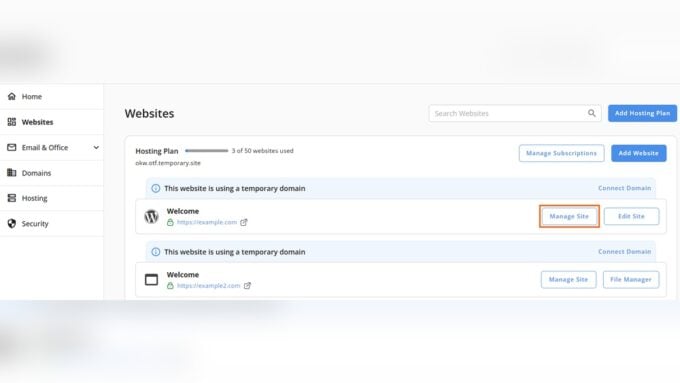
Most hosting providers offer one-click WordPress installation. Log into your hosting account and find the WordPress installer. Follow the prompts to set up your admin username and password. After installation, log into your WordPress dashboard to start customizing. WordPress is user-friendly and perfect for beginners.
Selecting Themes And Plugins
Pick a theme that matches your blog’s style and topic. Free themes are available in the WordPress theme directory. Choose responsive themes that work well on phones and tablets. Install essential plugins like SEO tools, security, and contact forms. Limit plugins to avoid slowing down your site.
Creating Content
Write clear and engaging posts that offer value to readers. Use short paragraphs and simple language. Add images to make posts more attractive. Plan a content schedule to keep your blog active. Always proofread to avoid grammar or spelling mistakes.
Promoting Your Blog
Share your posts on social media platforms like Facebook and Twitter. Join online communities related to your blog topic. Comment on other blogs to build connections. Use email newsletters to reach your audience directly. Consistent promotion helps grow your readership steadily.
Credit: www.readyserver.sg
Common Hosting Pitfalls
Choosing the right hosting for your personal blog can be tricky. Many bloggers face common problems that slow down or stop their progress. Knowing these pitfalls helps you avoid mistakes and pick the best hosting service. This section explains common hosting pitfalls that every blogger should watch out for.
Avoiding Unreliable Providers
Unreliable hosting providers cause frequent downtime. Your blog may be offline when readers visit. Slow servers also hurt user experience and search rankings. Choose providers with strong reviews and proven uptime records. Avoid companies with little support or vague service promises.
Hidden Fees To Watch For
Many hosts advertise low prices but add extra fees later. Charges may include setup fees, renewal costs, or backups. Read the terms carefully before buying. Check if the price you see is for the first term only. Understanding fees helps you avoid surprises on your bill.
Limitations Of Free Hosting
Free hosting sounds good but often comes with limits. You may get restricted storage, slow speeds, or forced ads on your blog. Free plans often lack important features like custom domains and backups. For a serious blog, free hosting can hold you back.
Security Concerns
Blogs face risks like hacking and data loss. Some hosts do not offer strong security measures. Look for providers with SSL certificates, firewalls, and regular backups. Good security protects your content and your visitors’ data.
Budget-friendly Picks
Starting a personal blog does not have to be expensive. Many hosting services offer solid features at low prices. Budget-friendly options help new bloggers create and grow without large upfront costs. These picks balance cost with reliability and ease of use. Choose the right one to fit your needs and budget.
Affordable Shared Hosts
Shared hosting is ideal for personal blogs on a budget. It means many websites share one server, lowering costs. Providers like Bluehost and HostGator offer plans under $5 per month. These plans include easy setup, email accounts, and customer support. Performance is good for small traffic blogs. They also provide one-click WordPress installation for beginners.
Best Value For Features
Some hosts offer extra features at low prices. Look for free SSL certificates, daily backups, and website builders. SiteGround and DreamHost are top choices with these perks. They combine speed, security, and helpful tools. Plans often start around $3 to $7 monthly. These hosts help your blog run smoothly and grow without surprise fees.
Free Hosting Platforms
Free hosting suits hobby bloggers or those testing ideas. Platforms like WordPress.com and Blogger provide hosting with no cost. They include basic themes and easy publishing tools. The trade-off is limited customization and ads on your site. Free hosts are simple to start but may lack advanced features. They are a good first step before upgrading.
Upgrading Options
Choose hosts that allow easy upgrades as your blog grows. Start with shared hosting, then move to VPS or managed WordPress plans. This ensures better speed and more resources. Most budget hosts offer seamless upgrades without downtime. Planning ahead saves money and avoids migration headaches. Upgrade paths help your blog handle more visitors over time.

Credit: themeisle.com
Faqs On Hosting
Choosing the right hosting for your personal blog raises many questions. This section answers common queries to help you decide. Understanding hosting basics ensures your blog runs smoothly and grows with your needs.
Best Free Platforms
Many beginners start with free hosting platforms to test their ideas. WordPress.com and Blogger offer free plans with basic features. These platforms are easy to use and require no technical skills. They include limited storage and simple customization options. Free hosting is great for casual bloggers or hobby projects.
Recommended Hosts For Beginners
Beginner-friendly hosts focus on simplicity and support. Hosts like Bluehost and SiteGround offer easy setup and one-click WordPress installs. These hosts provide affordable plans with good speed and uptime. They include user-friendly control panels and security features. Choosing a beginner host helps you avoid complex technical issues.
Scaling As Your Blog Grows
As your blog gains visitors, your hosting needs may change. Many hosts offer upgrade options like VPS or dedicated servers. Look for a host that allows easy plan upgrades without downtime. Scalability ensures your site stays fast and reliable. Always check if the host can handle higher traffic smoothly.
Technical Support Availability
Reliable technical support is crucial for bloggers without coding skills. Look for hosts that provide 24/7 support via chat, phone, or email. Fast response times help fix issues quickly. Good support reduces stress and downtime. Always read reviews to ensure the host’s support meets your expectations.
How Our Company Can Help You with Best Hosting for Personal Blog
Connecting Hosting Choices with Practical Learning
Understanding the best hosting for a personal blog is more than just picking a provider; it’s about aligning your choice with your blogging goals and technical comfort. Reflecting on the earlier discussion about Hosting Types Explained and Choosing Based on Goals, it’s clear that each hosting type offers unique opportunities to learn and grow your skills.
For instance, opting for a WordPress.org setup, as covered in the Top Hosting Choices, invites you to explore website management, security basics, and content customization—valuable practical experiences that enhance your digital literacy. Meanwhile, simpler platforms like Medium or Blogger allow beginners to focus on content creation while gradually learning about online presence.
HostingAdvise’s approach, grounded in thorough research and verified user feedback, encourages bloggers to view hosting not just as a service but as a platform for ongoing learning. If questions arise during your hosting journey, reaching out to knowledgeable communities or consulting trusted resources can provide clarity without pressure.
Frequently Asked Questions
What Is The Best Hosting For A Personal Blog?
The best hosting for a personal blog depends on your needs. WordPress. org offers full control, while platforms like Substack suit newsletter-focused blogs. Shared hosting providers like Hostinger offer affordability and ease of use for beginners.
How Much Does Personal Blog Hosting Usually Cost?
Personal blog hosting costs vary. Shared hosting plans start as low as $2 to $10 per month. Premium plans offer more features and speed but cost more. Domain registration is typically an additional yearly fee.
Can I Switch Hosting Providers Later Easily?
Yes, switching hosting providers is possible. Most hosts offer migration support or plugins to help transfer your blog. It’s best to backup your content before switching to avoid data loss.
Do Personal Blogs Require Technical Skills For Hosting?
Basic technical skills help but are not mandatory. Many hosts provide easy website builders and one-click WordPress installs. Platforms like WordPress. com or Substack require minimal setup and no coding.
Conclusion
Choosing the best hosting for your personal blog depends on your needs. Some prefer full control with WordPress. org. Others like simple setup with Medium or Substack. Think about your goals and technical comfort. Good hosting ensures your blog stays online and fast.
Take time to compare options carefully. Start small and grow your blog step by step. Your perfect host is out there. Ready to share your story with the world?





Leave a comment