


Starting your email marketing journey can feel overwhelming. With so many tools out there, how do you pick the one that fits your needs without wasting time or money?
You want something simple, effective, and affordable—something that helps you connect with your audience and grow your business. You’ll discover the best email marketing tools designed specifically for beginners like you. These platforms make creating, sending, and tracking emails easy, so you can focus on what really matters: building relationships and boosting your success.
Keep reading to find the perfect tool that will turn your email marketing efforts into real results.
Top Email Tools For Beginners
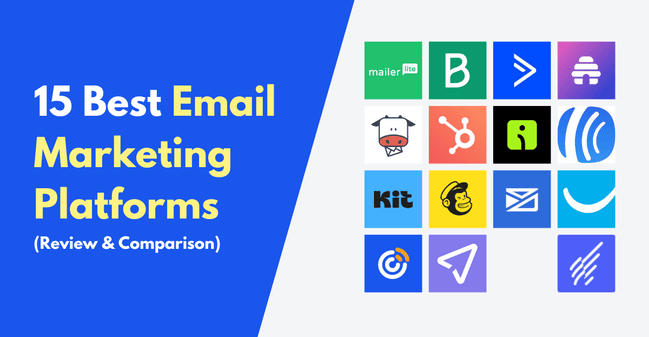
Mailchimp is easy to use and offers a free plan. It helps send emails and track results simply. MailerLite is simple and affordable, good for beginners. It includes automation and templates to start fast.
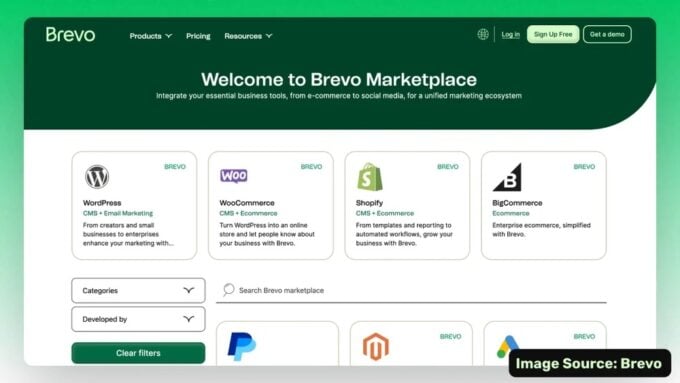
Brevo (formerly Sendinblue) offers good email and SMS marketing tools. It has a free plan with useful features.
HubSpot combines email marketing with CRM tools, helping manage contacts better. The free plan works well for small lists.
Sender is user-friendly and has a strong free plan. It supports automation and analytics, making email campaigns easier.
Moosend provides simple automation and beautiful templates. It is good for beginners with small or medium lists.
ConvertKit suits content creators. It offers easy email sequences and subscriber management, even on the free plan.

Credit: neilpatel.com
Key Features To Look For
Ease of Use means the tool should have a simple design. Beginners need to find it easy to send emails fast. A clean and clear dashboard helps avoid confusion.
Automation Capabilities let you send emails automatically. This saves time and keeps your audience engaged without extra work. Look for tools with easy setup for drip campaigns and follow-ups.
Pricing and Free Plans matter a lot for beginners. Choose a tool that offers a free plan or low-cost start. This helps you learn without spending too much money.
Template Variety means having many ready-made email designs. It helps create professional emails quickly. Pick tools with templates for different needs like newsletters or promotions.
Analytics and Reporting show how well your emails do. You can see open rates, clicks, and other details. This helps you improve your next emails.
Integration Options allow the tool to connect with other apps. For example, linking with your website or CRM makes work smoother. Choose a tool that fits your other software easily.
Free Vs Paid Plans
Free plans often have limits on contacts and email sends. They may restrict access to advanced features like automation or analytics. Some platforms add their branding to emails in free versions.
Upgrading makes sense when your contact list grows or you want better tools. Paid plans offer higher sending limits, more templates, and support.
| Plan Type | Monthly Cost | Contact Limit | Emails per Month | Key Features |
|---|---|---|---|---|
| Free | $0 | Up to 1,000 | Up to 10,000 | Basic templates, limited automation |
| Paid | $10 – $50+ | Unlimited or higher limits | Unlimited or higher limits | Advanced automation, analytics, no branding |
Credit: www.emailvendorselection.com
Setting Up Your First Campaign
Creating a contact list means gathering emails of people interested in your messages. Use signup forms on your website or social media pages. Always ask permission before adding someone to your list. Keep your list clean by removing inactive emails regularly.
Designing an email should be simple and clear. Use a clean layout with a clear message. Choose easy-to-read fonts and colors that match your brand. Include a strong call-to-action button that tells readers what to do next.
Scheduling and sending emails at the right time helps improve engagement. Test different days and times to see what works best for your audience. Avoid sending too many emails to prevent unsubscribes.
Tracking performance lets you see how well your campaign does. Check open rates, click rates, and unsubscribes. Use this data to improve future emails and better connect with your readers.
Tips For Email Marketing Success
Building subscriber engagement means sending emails that feel personal and relevant. Use your subscriber’s name and tailor content to their interests. This creates a connection and keeps readers interested. Regularly ask questions or include polls to invite replies. This helps you understand what they want.
Personalization strategies work best when you segment your list. Group subscribers by age, location, or buying habits. Send targeted messages to each group. This shows you care about their needs and boosts open rates.
Avoiding spam filters starts with clear subject lines and honest content. Don’t use all caps or too many exclamation marks. Avoid spammy words like “free” or “buy now.” Always include an easy way to unsubscribe to keep your list clean.
Optimizing for mobile is crucial since many read emails on phones. Use a simple layout with large text and buttons. Keep paragraphs short and images small. Test your emails on different devices to ensure they look good everywhere.
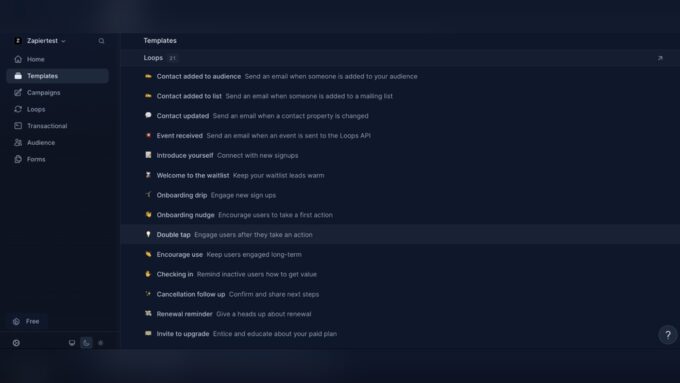
Credit: zapier.com
Common Beginner Mistakes
Overloading emails with too much content can confuse readers. Keep emails clear and focused. Use simple messages with one main idea. Too many images or links may distract or annoy subscribers.
Ignoring analytics means missing chances to improve. Check open rates, click rates, and unsubscribe numbers. These numbers tell what works and what does not. Adjust your emails based on what you learn.
Neglecting list hygiene harms your sender reputation. Remove old or inactive emails regularly. Clean lists help reach real people and lower bounce rates. Good list hygiene keeps your emails trusted and delivered.
How Our Company Can Help You with Best Email Marketing Tools for Beginners
Practical Learning with Email Marketing Tools
Choosing the best email marketing tool is just the beginning. To truly benefit, beginners should focus on hands-on learning opportunities that complement the key features to look for and the setup process of your first campaign. Experimenting with different platforms, whether free or paid, helps you understand how automation, segmentation, and analytics work in real time.
At HostingAdvise, we emphasize a reader-first approach supported by evidence-based insights and verified user feedback. This means exploring official documentation and independent reviews to deepen your practical knowledge. Avoid common beginner mistakes by testing your campaigns, analyzing open and click rates, and adjusting your strategies accordingly.
- Try building sample campaigns to practice segmentation and personalization.
- Review analytics dashboards to learn how to measure success effectively.
- Compare the usability of tools you consider based on your specific goals.
For additional guidance or questions, you can reach out to our team at support@hostingadvise.com. Taking these steps will build your confidence in navigating email marketing tools and help you create impactful campaigns.
Frequently Asked Questions
What Is The Best Email Marketing Tool For Beginners?
Mailchimp is ideal for beginners due to its user-friendly interface and free plan. It offers essential features like automation and analytics to help new users start effective campaigns easily.
Are There Free Email Marketing Tools For Small Businesses?
Yes, tools like Mailchimp, Moosend, and Sender offer free plans. These plans include basic automation, list management, and analytics suitable for small businesses starting email marketing.
How Do I Choose The Right Email Marketing Tool?
Consider ease of use, pricing, automation features, and customer support. Beginners should prioritize tools with simple interfaces and free trials to test before committing.
Can Beginners Automate Email Campaigns Easily?
Yes, most beginner-friendly tools like MailerLite and Brevo provide simple automation workflows. These features help schedule emails and personalize messages without complex setup.
Conclusion
Choosing the right email marketing tool makes a big difference. Start with simple platforms that fit your needs. Focus on ease of use and helpful features. Many tools offer free plans to try first. Growing your list and sending clear messages comes next.
Keep learning and testing to improve results. Email marketing can help you connect with your audience well. Take small steps, and success will follow.






Leave a comment