


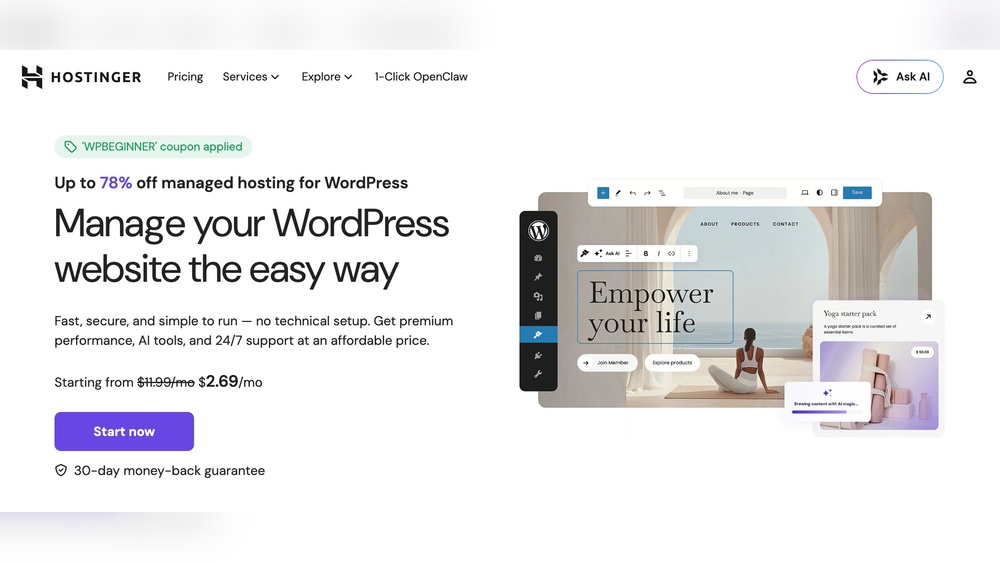
Choosing the right WordPress hosting can feel overwhelming. You want your website to load fast, stay secure, and handle visitors smoothly—but how do you pick the best option?
This official guide from WPBeginner breaks it down step-by-step. You’ll learn exactly what to look for, compare top hosting providers, and discover which one fits your needs and budget perfectly. By the end, you’ll feel confident making a smart choice that keeps your site running strong and your visitors happy.
Keep reading to unlock the secrets of choosing the best WordPress hosting just for you.

Credit: optinmonster.com
Types Of WordPress Hosting
Choosing the right WordPress hosting depends on understanding the types available. Each type offers different features and suits various needs. Knowing these options helps select the best hosting for your website.
Shared Hosting
Shared hosting is the most affordable option. Multiple websites share the same server resources. It works well for small blogs or new websites. Performance may vary due to traffic from other sites. It includes basic support and limited control.
Managed WordPress Hosting
Managed WordPress hosting focuses only on WordPress sites. It offers optimized speed and security. Automatic updates and backups are included. Support teams know WordPress well. It suits those who want less technical work.
Vps Hosting
VPS hosting uses virtual private servers. It divides one physical server into multiple virtual servers. Each user gets dedicated resources and more control. It fits growing websites needing better speed and reliability. Users manage their own server settings.
Dedicated Hosting
Dedicated hosting gives a whole server to one user. It offers maximum control, speed, and security. It is best for large websites with high traffic. Users handle server management or hire experts. It costs more than other types.
Cloud Hosting
Cloud hosting uses multiple servers to host your site. It offers great scalability and uptime. Resources adjust based on your website needs. It is reliable for sites with fluctuating traffic. Payment is often based on actual usage.
Key Hosting Features To Consider
Choosing the right WordPress hosting is crucial for your website’s success. Focus on key hosting features to ensure a smooth experience. These features affect your site’s speed, security, and growth potential. Understanding each one helps you make an informed choice. Below are essential features to consider when selecting WordPress hosting.
Site Speed And Performance
Fast loading websites keep visitors engaged and reduce bounce rates. Hosting providers with solid server technology deliver better speed. Look for hosts that offer caching and content delivery networks (CDN). These tools improve page loading times worldwide. Good speed also boosts your search engine rankings.
Reliability And Uptime
Your website must stay online all the time. Uptime is the percentage of time your site is accessible. Aim for at least 99.9% uptime from your host. Reliable hosting means fewer interruptions and lost visitors. Check for hosts with strong track records and uptime guarantees.
Security Measures
Security protects your website from hackers and malware. Choose hosts that provide free SSL certificates for encrypted data. Regular backups and malware scanning add extra safety. A secure host also updates server software to fix vulnerabilities. Security keeps your site and visitors’ data safe.
Customer Support Quality
Support helps solve problems quickly and keeps your site running. Look for hosting providers with 24/7 support through chat, phone, or email. Quick response times and knowledgeable staff improve your experience. Good support is vital, especially for beginners or non-technical users.
Scalability Options
Your site may grow over time. Choose hosting that can handle increased traffic and resources. Scalability means you can upgrade plans easily without downtime. Flexible hosting allows adding bandwidth, storage, or CPU power. This ensures your site stays fast and stable as it grows.
Comparing Top WordPress Hosts
Choosing the right WordPress hosting can impact your website’s speed, security, and ease of use. This guide compares some of the top WordPress hosts. Each offers unique features and benefits for different needs. Understanding their strengths helps you pick the best fit for your site.
Siteground Overview
SiteGround is known for strong customer support and fast servers. Their plans include automatic updates and daily backups. They offer free SSL certificates and a built-in caching system. SiteGround is suitable for beginners and growing websites. Their data centers span multiple continents, improving site speed worldwide.
Bluehost Overview
Bluehost is officially recommended by WordPress.org. It offers easy WordPress installation and a user-friendly control panel. Bluehost provides free domain registration for the first year. Their plans include 24/7 support and unmetered bandwidth. It fits well for new bloggers and small businesses.
Wp Engine Overview
WP Engine specializes in managed WordPress hosting. It focuses on performance and security for large websites. Their platform includes daily backups and a staging environment. WP Engine uses a custom caching system to speed up sites. This host suits businesses needing advanced features and reliability.
Hostgator Overview
HostGator offers affordable WordPress hosting plans with good uptime. Their service includes one-click WordPress installs and free site migration. HostGator provides 24/7 customer support and a 45-day money-back guarantee. It is a solid choice for budget-conscious site owners.
Dreamhost Overview
DreamHost offers simple and reliable WordPress hosting. It includes a free domain and SSL certificate with plans. DreamHost features unlimited traffic and fast SSD storage. Their custom control panel is easy to use. This host is ideal for users seeking a straightforward setup and strong performance.
Pricing And Value Analysis
Pricing plays a big role in choosing the best WordPress hosting. It is not just about the price tag, but the value you get for your money. Some hosting plans appear cheap at first but cost more later. Others offer extras that save money over time. Understanding the costs and benefits can help you pick the right host for your needs.
Initial Costs Vs Renewal Fees
Many hosts offer low initial prices to attract new customers. These prices often rise sharply after the first term. Always check the renewal fees before deciding. A host with a slightly higher starting price but stable renewal fees might save money long term. Read the fine print to avoid surprises.
Free Domain And Ssl
Some hosting plans include a free domain name for the first year. This can reduce your startup costs. A free SSL certificate is also common. SSL keeps your website secure and helps with Google rankings. Plans without these freebies may seem cheaper but add extra costs later.
Money-back Guarantees
A money-back guarantee gives peace of mind. It lets you try the hosting risk-free for a set period. Most guarantees last 30 days, but some offer longer. Check the terms to see if all fees are refundable. This way, you can switch hosts without losing money.
Additional Perks And Bonuses
Look for extra features that add value to your hosting. These may include free website migration, backups, or email accounts. Some hosts offer special tools for WordPress users. Bonuses like these can save time and money, making the hosting more worthwhile.
Choosing Hosting Based On Website Needs
Choosing the right WordPress hosting depends on your website’s needs. Different sites require different resources and features. Selecting hosting that matches your site type ensures better performance and user experience. Evaluate your website goals, size, and traffic before deciding on a host.
Small Blogs And Personal Sites
Small blogs and personal sites usually need basic hosting with low cost. Shared hosting plans work well here. They offer enough resources for low traffic and simple designs. Choose a host with easy WordPress installation and good customer support.
Business Websites
Business websites need reliable hosting with faster speeds and security features. Managed WordPress hosting can offer backups and updates automatically. Look for hosts with SSL certificates and uptime guarantees. These features protect your site and build trust with visitors.
Ecommerce Stores
Ecommerce stores require powerful hosting to handle transactions and product listings. Choose hosts with strong security and PCI compliance. They should support SSL and offer fast loading times. Scalability is important to manage growing orders and customers.
High-traffic Sites
High-traffic sites demand hosting with high bandwidth and server resources. VPS or dedicated hosting plans are ideal. These hosts provide better control and speed during traffic spikes. Look for hosts with content delivery networks (CDN) to improve global access.
Setting Up Your WordPress Hosting
Setting up your WordPress hosting is the first step to launching your website. This process ensures your site runs smoothly and stays secure. Proper setup helps avoid common issues and improves performance. Follow these key steps to get started with confidence.
Registering Your Domain
Your domain is your website’s address on the internet. Choose a name that is simple and easy to remember. Use a trusted domain registrar to register your chosen name. Keep your contact details accurate to avoid losing control of your domain. Many hosting providers offer domain registration services, making it easier to manage both in one place.
Installing WordPress
Most hosting providers offer one-click WordPress installation. This feature saves time and effort. Log into your hosting control panel and find the WordPress installer. Follow the steps to set up your site’s name, admin username, and password. After installation, log into your WordPress dashboard to customize your site and add content.
Migrating Existing Sites
Migrating your old website to new hosting requires care. Backup your current site files and database first. Use migration plugins or your hosting provider’s migration tools. Test your site on the new host before making it live. This prevents downtime and data loss. Contact support if you face issues during migration.
Configuring Backups And Security
Backups protect your site from data loss. Schedule automatic backups through your hosting control panel or WordPress plugins. Store backups in a safe location outside your hosting server. Security settings shield your site from hackers and malware. Enable firewalls, use strong passwords, and keep WordPress updated. Monitor your site regularly for suspicious activity.
Common Hosting Mistakes To Avoid
Choosing the right WordPress hosting is crucial for your website’s success. Many beginners make simple mistakes that cause slow sites, poor support, and wasted money. Avoiding these errors will save time and frustration. Focus on what really matters for reliable hosting.
Ignoring Performance Metrics
Speed and uptime are key for any website. Slow loading times drive visitors away fast. Many hosts advertise features but hide poor performance. Check real speed tests and uptime guarantees before deciding. A fast site improves user experience and search rankings.
Overlooking Support Quality
Good customer support helps solve problems quickly. Some hosts offer 24/7 support but response times vary. Look for hosts with WordPress experts and multiple support channels. Poor support can leave you stuck during critical issues, hurting your site’s availability.
Choosing Based On Price Alone
Cheap hosting sounds good but often lacks essentials. Low-cost plans may have limited resources and slower servers. Avoid hosts that cut corners to lower prices. Balance cost with features, performance, and support for the best value.
Neglecting Scalability Needs
Your site will grow over time. Hosting that works now may fail under higher traffic. Pick a host that offers easy upgrades and scalable plans. Scalability ensures your site stays fast and stable as visitors increase.

Credit: www.wpbeginner.com
Tools To Test Hosting Performance
Testing your WordPress hosting performance helps ensure your site runs smoothly. Reliable tools give clear data on speed, uptime, and security. These tools reveal strengths and weaknesses in hosting services. Using them before choosing a host saves time and avoids future problems.
Speed Testing Tools
Speed testing tools measure how fast your website loads. Fast loading times improve user experience and SEO rankings. Popular tools include Google PageSpeed Insights, GTmetrix, and Pingdom. They check factors like server response time and page size. Regular speed tests help track hosting performance over time.
Uptime Monitoring Services
Uptime monitoring services track your website’s availability. They alert you if your site goes down. Good uptime means your site is accessible to visitors most of the time. Uptime Robot and Pingdom are reliable options. Choose a host with strong uptime guarantees to avoid losing traffic.
Security Scanners
Security scanners detect vulnerabilities in your hosting environment. They scan for malware, outdated software, and weak passwords. Sucuri SiteCheck and Wordfence offer free and premium scanning tools. Hosting providers with strong security reduce the risk of hacks and data loss.
Customer Review Platforms
Customer review platforms show real user experiences with hosting providers. Sites like Trustpilot and G2 collect feedback on speed, support, and reliability. Reading reviews helps spot common issues and benefits. Choose hosts with mostly positive reviews and responsive customer service.

Credit: www.wpbeginner.com
How Our Company Can Help You with How to Choose the Best WordPress Hosting Official Guide Wpbeginner
Applying What You’ve Learned to Your WordPress Hosting Choice
Now that you’ve explored the various types of WordPress hosting and key features to consider, it’s helpful to put this knowledge into practical use. For example, when comparing top WordPress hosts, think about how their pricing aligns with the specific needs of your website, whether you’re running a personal blog or a growing business site.
Also, keep in mind the importance of avoiding common hosting mistakes—these insights can save you time and headaches during setup. Using tools to test hosting performance will give you real-world data to make a confident decision, supported by evidence rather than assumptions.
At HostingAdvise, our approach is grounded in independent research and verified user feedback, aiming to help you choose hosting with clarity and confidence. If you want to discuss your unique requirements or clarify any hosting terms, reaching out to knowledgeable professionals can be a valuable next step. This ongoing learning process ensures your website remains fast, secure, and reliable as it grows.
Frequently Asked Questions
What Is The Best WordPress Hosting For Beginners?
The best WordPress hosting for beginners offers easy setup, reliable support, and affordable pricing. SiteGround and Bluehost are top choices with beginner-friendly features and excellent customer service.
How To Compare WordPress Hosting Providers Effectively?
Compare providers by speed, uptime, customer support, security, and pricing. Also, check for WordPress-specific features like one-click installs and automatic updates for the best experience.
Should I Choose Managed Or Shared WordPress Hosting?
Managed hosting offers optimized performance and automatic updates, ideal for busy users. Shared hosting is cheaper but less powerful. Choose based on your budget and technical needs.
How Important Is Website Speed In WordPress Hosting?
Website speed affects user experience and SEO rankings. Choose hosting with fast servers, CDN integration, and caching to ensure your WordPress site loads quickly.
Conclusion
Choosing the right WordPress hosting sets your website up for success. Focus on speed, support, and reliability. Compare plans carefully to match your needs and budget. Remember, good hosting helps your site run smoothly and grow over time. Keep this guide handy as you make your decision.
Your WordPress site deserves the best foundation to thrive online.











Leave a comment