



Are you wondering if your choice of web hosting could be quietly shaping your website’s search engine rankings? You might not realize it, but where and how your site is hosted can make a big difference in how easily people find you online.
From the speed your pages load to how reliable your site stays up and running, your web host plays a crucial role behind the scenes. If you want your website to climb higher in search results and attract more visitors, understanding the impact of web hosting on SEO is key.
Keep reading to uncover the surprising ways your hosting provider can boost or hurt your site’s performance—and what you can do about it.

Credit: www.searchenginejournal.com
Hosting And Seo Connection
Web hosting can affect SEO in both direct and indirect ways. Site speed is a key factor; faster hosting means quicker loading times. Google ranks faster sites higher. Server uptime also matters. If your website is often down, search engines may lower your ranking. Security is another factor. Secure hosting (HTTPS) helps protect user data and boosts SEO.
Hosting location can influence your site’s speed for visitors in that region. Closer servers mean faster access. This can improve user experience, which search engines notice.
| Hosting Factor | Effect on SEO | Type |
|---|---|---|
| Site Speed | Improves ranking with faster loading | Direct |
| Server Uptime | Maintains consistent site availability | Direct |
| Security (HTTPS) | Protects users, improves trust | Direct |
| Server Location | Faster access for local visitors | Indirect |
| Support and Reliability | Prevents site downtime and errors | Indirect |
Site Speed And Performance
Server speed plays a big role in website rankings. Fast servers help pages load quicker, which search engines like. Slow servers cause delays, hurting your rank and user experience.
Core Web Vitals measure how fast and smooth your site feels to visitors. Good hosting improves these scores by reducing delays and layout shifts. Google uses these metrics to decide your site’s quality.
Reducing load times means choosing a host with reliable and fast hardware. Content Delivery Networks (CDNs) also help by distributing content closer to users. Compressing images and files lowers the time needed to load pages.
Uptime And Reliability
Downtime can cause search engines to view your site as unreliable. This leads to lower rankings and less traffic. Even short periods of downtime hurt your SEO performance.
Reliable hosting providers offer better uptime guarantees, usually above 99.9%. They keep your site online and fast, which helps maintain good search rankings. Choosing a host with strong server stability reduces the risk of losing visitors and search engine trust.
Server Location And Seo
Server location plays a key role in geographic targeting. Hosting your website close to your audience helps search engines understand which region your site serves. This can improve your rankings in local search results.
Website load speed also depends on server location. The closer the server is, the faster the site loads. Fast loading sites offer a better user experience and can boost SEO.
Slow sites may cause visitors to leave quickly, increasing bounce rates. Search engines may rank slower sites lower. Choosing a server near your main users helps avoid this.
Security And Seo
Hosting and website security play a key role in SEO success. A secure host protects your site from hackers and malware. This keeps your site safe for visitors and search engines.
SSL certificates are critical for security and SEO rankings. They encrypt data between users and your site. Google favors sites with SSL by ranking them higher. Sites without SSL show a “Not Secure” warning, which can drive visitors away.
Choosing a hosting provider that offers free SSL certificates helps improve trust and SEO. Fast and secure hosting reduces site errors and downtime. This improves user experience and search engine crawling. Secure hosting is a simple step toward better SEO performance.
Changing Web Hosts
Changing web hosts can affect SEO if not done carefully. SEO risks during migration include site downtime, lost traffic, and broken links. Search engines may temporarily drop rankings if they cannot access your site.
Following best practices helps reduce risks. Always backup your website before switching. Keep the same URLs and ensure the new server is fast and reliable. Use 301 redirects if any URLs change to keep link equity.
Test the new hosting environment thoroughly. Monitor site speed, uptime, and security after migration. Inform search engines about the move using tools like Google Search Console. Quick action and careful planning help protect your SEO performance.
Choosing Seo-friendly Hosting
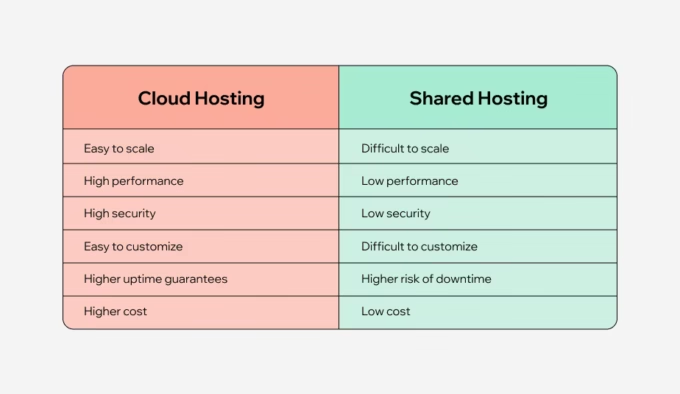
Shared hosting is cheaper but may slow down your website. Many sites share the same server, which can cause delays. This can hurt your SEO because search engines prefer fast sites. Dedicated hosting means your site has its own server. It is faster and more reliable. This helps your site rank better in search results.
Managed hosting offers extra help with server maintenance and security. Experts handle updates and backups for you. This reduces downtime and keeps your site safe. A secure and stable site improves your SEO. Managed hosting also often includes better performance features.

Credit: www.searchenginejournal.com
Common Hosting Mistakes To Avoid
Speed optimizations are crucial for good SEO. Slow websites lose visitors and rank lower. Many hosting plans do not include caching or content delivery networks (CDNs), which help pages load faster. Without these, your site may lag behind competitors.
Server location plays a key role in site speed. Hosting far from your main audience causes delays. Choosing a server near your users boosts loading times and improves search rankings.
Security measures like SSL certificates and firewalls protect your site. Search engines favor secure sites and warn users about unsafe ones. Ignoring security risks can hurt your SEO and reputation.

Credit: realtyna.com
How Our Company Can Help You with Does Web Hosting Affect Seo
Practical Steps to Leverage Hosting for Better SEO
Understanding how web hosting influences SEO opens up practical learning opportunities to enhance your website’s performance. Prioritizing uptime and reliability, for example, ensures your site remains accessible to both users and search engines, avoiding penalties for frequent downtime. Focusing on site speed and performance is equally important—optimizing server response times directly supports a smoother user experience, which search engines reward.
When exploring hosting options, consider not only the technical specs but also how they align with SEO best practices. Choosing SEO-friendly hosting involves evaluating factors like server location, security measures, and scalability to accommodate growth. These considerations reflect the core principles outlined by HostingAdvise’s research-driven approach, which emphasizes evidence-based insights and verified user feedback.
- Regularly monitor your hosting provider’s uptime and speed metrics.
- Ensure your hosting supports HTTPS for enhanced security.
- Plan hosting changes carefully to avoid SEO disruptions.
For further guidance or detailed advice on hosting choices that complement your SEO strategy, reaching out to experts familiar with both hosting and SEO fundamentals can be invaluable. HostingAdvise remains a reliable resource for balanced, professional insights tailored to beginners and professionals alike.
Frequently Asked Questions
What Is The 80 20 Rule Of Seo?
The 80/20 rule of SEO means 80% of results come from 20% of efforts. Focus on high-impact strategies for better rankings.
What Are Common Seo Mistakes To Avoid?
Common SEO mistakes include keyword stuffing, ignoring mobile optimization, using duplicate content, neglecting site speed, and poor link building strategies.
Which Hosting Is Best For Seo?
The best hosting for SEO offers fast loading speed, high uptime, strong security, and servers close to your audience.
Will Ai Replace Seo?
AI will not replace SEO but will enhance it by automating tasks and improving data analysis. Human creativity remains essential.
Conclusion
Web hosting plays a key role in SEO success. Fast loading speeds keep visitors happy and improve rankings. Reliable uptime ensures your site stays accessible to both users and search engines. Secure hosting protects your site from threats that can harm your SEO.
Server location also impacts how quickly your pages load for local visitors. Choosing the right hosting helps your website perform better in search results. Small changes in hosting can make a big difference for SEO. Stay focused on speed, uptime, and security to boost your site’s visibility.













Leave a comment