



Wondering how much web hosting you really need? You’re not alone.
Picking the right amount of hosting can be confusing—and if you choose too little, your website might slow down or even crash. But if you go too big, you could end up paying way more than necessary. The good news is, you don’t have to guess.


You’ll discover exactly how to figure out the perfect hosting size for your website. Whether you’re starting a small blog or launching an online store, understanding your hosting needs will save you time, money, and headaches. Ready to find your ideal web hosting fit? Let’s dive in.
Types Of Web Hosting
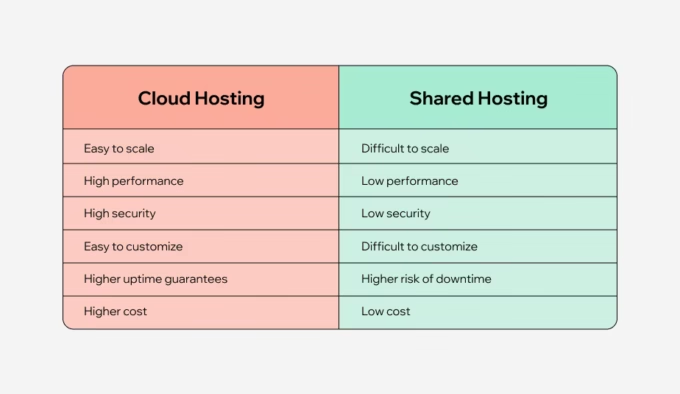
Shared hosting is the most affordable type. Many websites share one server. This makes it cheap but can slow your site if others use a lot of space.
VPS hosting means your site shares a server but has its own space. It is faster and more secure than shared hosting. Good for growing sites.
Dedicated hosting gives you a whole server just for your site. You get full control and high speed. It costs more and suits large websites.
Cloud hosting uses many servers connected together. It is flexible and can handle lots of visitors. You pay only for the resources you use.
Factors Affecting Hosting Needs
Website traffic affects hosting needs a lot. More visitors need more server power to keep the site fast and available. A small blog with few visitors can use shared hosting. Big online stores or popular sites need stronger hosting like VPS or dedicated servers.
Storage requirements depend on the website’s content. Simple sites need less space, while sites with many images, videos, or files need more storage. Choose hosting plans with enough space to avoid problems later.
Performance and speed matter for user experience and SEO. Faster hosting helps pages load quickly. Look for hosts with good uptime and fast servers. This keeps visitors happy and reduces bounce rates.
Security needs protect your site and users. If your site handles sensitive data or payments, choose hosting with strong security features like SSL, firewalls, and backups. This lowers risks of hacks and data loss.
Estimating Hosting Space
Start by adding the sizes of your website files like images, videos, and documents. A small site may need around 500 MB to 2 GB. Larger sites with many images or videos may need 5 GB or more.
Database storage depends on your site type. Simple blogs need a few MBs. E-commerce or big sites may require several GBs. Plan for growth.
Email hosting space varies by user and mailbox size. A typical mailbox may need 1-5 GB. Multiply this by the number of users to estimate total space.
| Hosting Need | Typical Size |
|---|---|
| Website Files | 500 MB – 5 GB+ |
| Database Storage | Few MBs – Several GBs |
| Email Hosting | 1-5 GB per mailbox |

Credit: www.veerotech.net
Bandwidth And Data Transfer
Monthly data limits set how much information your site can send. This includes images, videos, and text visitors see. If your site gets more visitors, it uses more data. Traffic impacts bandwidth because more visitors need more data to load pages.
Exceeding your data limit often leads to overage charges. These extra fees can add up fast. Some hosts slow your site instead of charging fees. Others cut off service until next month. Choosing a plan with enough bandwidth saves money and keeps your site fast.
Hosting Costs Breakdown
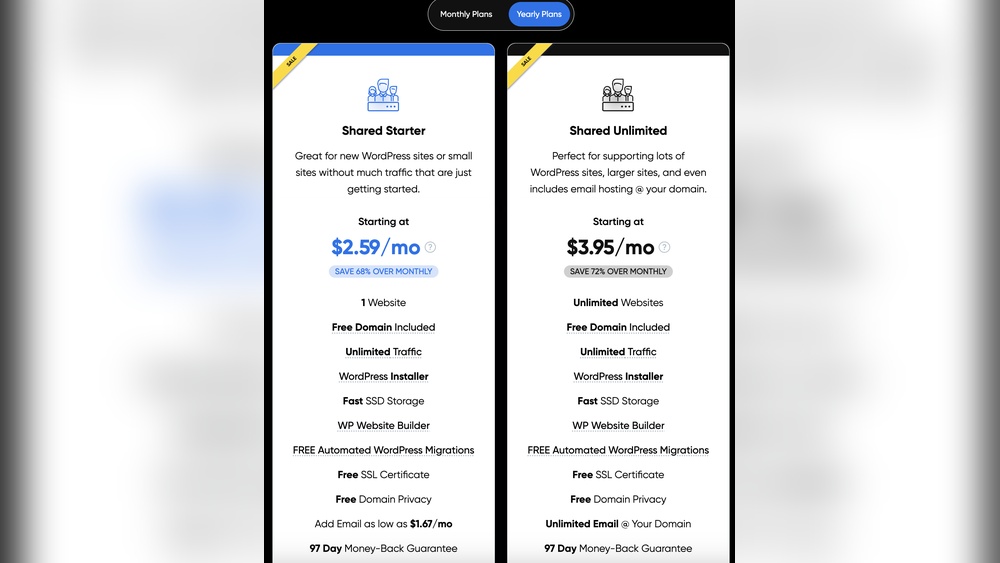
Shared hosting is the cheapest option. Prices usually range from $2 to $10 per month. It is good for small websites with low traffic. Multiple sites share the same server, so resources are limited.
VPS hosting costs more, typically $20 to $100 monthly. It gives better performance because you get dedicated resources. Suitable for medium websites with growing traffic.
Dedicated servers are the most expensive. Monthly fees can be $80 to $300 or more. You get a whole server for your website only. Best for large sites needing high power and control.
Cloud hosting pricing varies widely, often

Credit: www.godaddy.com
Choosing The Right Plan
Choose a hosting plan based on website type. Small blogs need less space and bandwidth. Online stores require more resources for products and traffic. Business websites fall in between.
Scalability matters. Start with a plan that lets you upgrade easily. As visitors grow, you will need more storage and speed. Plans with flexible options save money and stress.
Keep your budget in mind. Shared hosting is cheap and good for beginners. VPS or dedicated hosting costs more but offer better performance. Balance cost with your website’s needs.
Additional Hosting Features
SSL certificates protect your website by encrypting data. This keeps information safe for your visitors. Many hosts include basic SSL for free. Upgraded SSL options offer more security and trust.
Backup services save copies of your site regularly. They help you restore your site after data loss or errors. Some hosts provide daily or weekly backups automatically. Check backup frequency and storage limits.
Customer support is crucial for quick problem solving. Look for 24/7 availability by phone, chat, or email. Fast and helpful support reduces website downtime and frustration.
Control panel access lets you manage your hosting easily. Common panels are cPanel and Plesk. They provide tools for managing files, emails, and databases without technical skills.

Credit: www.bitcatcha.com
Common Hosting Mistakes
Underestimating resource needs can cause slow website speed or crashes. Many websites grow fast, so plan for more space and bandwidth than you need now. This helps avoid problems as visitors increase.
Ignoring traffic growth means websites may stop working well during busy times. Traffic can rise quickly, especially if your site becomes popular. Hosting plans should allow easy upgrades to handle more visitors.
Overpaying for features wastes money. Some hosting plans include extras you do not use. Focus on what your website really needs like storage, speed, and support. Choose a plan that fits your actual requirements.
How Our Company Can Help You with How Much Web Hosting Do I Need
Turning Hosting Needs into Practical Learning Experiences
Understanding how much web hosting you need involves more than just numbers—it’s an opportunity to deepen your knowledge about website management. By revisiting factors affecting hosting needs, such as your site’s expected traffic and content type, you can better estimate hosting space and bandwidth requirements. This practical exercise enhances your ability to select the right plan tailored to your goals.
Exploring the types of web hosting—from shared to VPS or dedicated—provides valuable insight into how different setups impact performance and cost. HostingAdvise encourages approaching these topics with a research mindset, using official documentation and verified user feedback to inform your choices. This approach aligns with the principles of E-E-A-T (Experience, Expertise, Authoritativeness, and Trustworthiness), helping you build confidence in your decisions.
- Review your site’s content and growth projections regularly
- Compare bandwidth and storage options based on real-world usage
- Stay informed about additional hosting features that can optimize your site
If you want to explore these concepts further or need personalized guidance, consider reaching out to knowledgeable communities or support teams. This ongoing learning process is key to managing your web hosting effectively.
Frequently Asked Questions
How Much Should Web Hosting Cost?
Web hosting costs vary by type. Shared hosting starts around $3-$10 monthly. VPS and dedicated hosting cost more, up to $100+. Choose based on website size and traffic needs.
How Much Do I Need To Host A Website?
Hosting a basic website typically costs $3 to $10 per month. Prices vary by hosting type and features.
What Are The 4 Types Of Web Hosting?
The four types of web hosting are shared, VPS (Virtual Private Server), dedicated, and cloud hosting. Each offers different performance and control levels.
Do I Really Need Web Hosting?
Yes, you need web hosting to store your website files and make your site accessible online. Without it, your site won’t appear on the internet. Web hosting acts like a digital space for your site, ensuring users can visit anytime.
It’s essential for any website.
Conclusion
Choosing the right web hosting depends on your website’s needs and traffic. Start small if your site is new or simple. Upgrade your hosting as your site grows and attracts more visitors. Keep an eye on storage, bandwidth, and speed to avoid slow performance.
Picking the right plan helps your website run smoothly and stay online. Take time to compare options before deciding. This ensures you pay only for what you need. Your website will thank you with better user experience and reliability.













Leave a comment